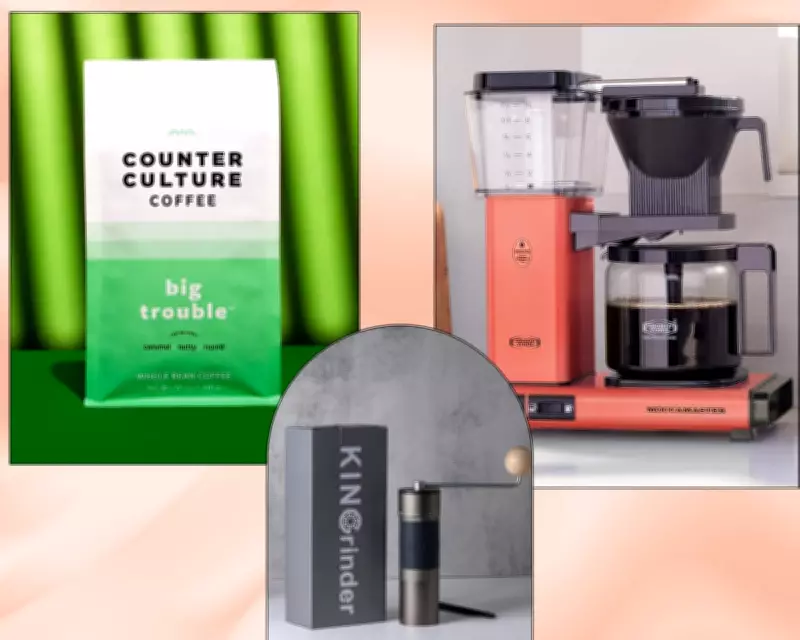
Mastering the Art of Drip Coffee: Four Key Strategies for a Perfect Brew
Brewing exceptional drip coffee at home is an achievable goal with the right techniques. Many coffee enthusiasts settle for mediocre results, but by focusing on a few critical factors, you can elevate your daily cup to new heights. This guide outlines four essential methods that target common pitfalls in the brewing process, ensuring a consistently delicious and aromatic experience.
Prioritize Water Quality and Temperature
The foundation of great coffee starts with water. Using filtered water free from impurities like chlorine or minerals can significantly improve taste, as tap water often contains elements that mask coffee's natural flavors. Aim for a water temperature between 195°F and 205°F (90°C to 96°C) to optimize extraction; water that is too hot can lead to bitterness, while water that is too cool may result in a weak, under-extracted brew. Investing in a simple kettle with temperature control can make this step effortless and precise.
Optimize Grind Size and Consistency
Grind size plays a pivotal role in drip coffee quality. A medium-coarse grind is generally ideal for most drip machines, as it allows for balanced extraction without over- or under-extracting the coffee grounds. Inconsistent grinds, where particles vary in size, can cause uneven brewing, leading to a mix of bitter and sour notes. Consider using a burr grinder rather than a blade grinder to achieve a more uniform grind, which enhances flavor clarity and overall satisfaction.

Measure Coffee Accurately and Maintain Equipment
Precision in measurement is crucial for consistency. A standard ratio is one to two tablespoons of coffee per six ounces of water, but adjusting based on personal preference can fine-tune the strength. Avoid guesswork by using a kitchen scale for exact measurements. Additionally, regular maintenance of your drip coffee machine—such as descaling to remove mineral buildup and cleaning the filter basket—ensures that no residual oils or residues compromise future brews, preserving the coffee's true character.
Experiment with Brew Time and Freshness
Brew time should align with your grind size; typically, drip coffee benefits from a brew cycle of four to six minutes. Shorter times may under-extract, while longer ones can over-extract, both affecting flavor negatively. Furthermore, always use freshly roasted coffee beans and store them in an airtight container away from light and heat to maintain their peak flavor. Stale beans lose their aromatic oils and complexity, diminishing the final cup's quality regardless of other techniques applied.
By integrating these four strategies—focusing on water, grind, measurement, and freshness—you can transform your drip coffee routine. Small adjustments in these areas often yield significant improvements, making each brew a delightful and rewarding experience. Embrace these tips to enjoy a richer, more flavorful cup that rivals café-quality coffee from the comfort of your home.