FDA Retreats from Ban on Artificial Colors, Implements Controversial Labeling Rules
In a significant policy shift, the Food and Drug Administration (FDA) under the Trump administration has announced it will not proceed with a planned ban on artificial dyes in food. Instead, the agency is introducing new labeling requirements that permit companies to state their products contain "no artificial colors", even if those items include potentially dangerous substances such as titanium dioxide. This decision marks a further retreat from earlier commitments to eliminate petroleum-based dyes from the food supply.
Health Experts Warn of Consumer Deception and Health Risks
The FDA's move, announced in early February, allows food manufacturers to use the "no artificial colors" label provided the dyes are not derived from petroleum. However, health experts argue that this labeling could mislead consumers, as some naturally based additives still pose serious health risks. Thomas Galligan, a principal scientist at the Center for Science in the Public Interest, emphasized that the new rules are likely to cause confusion and enable companies to obscure the presence of harmful colors in their foods.
"It's frustrating, especially when the rhetoric suggests they are solving the problem, but in practice they're just letting industry do whatever they want," Galligan stated. He added that the regulations are already filled with loopholes, making it easier for firms to deceive the public. According to Galligan, the most effective way to safeguard consumers would be an outright ban on these substances.

Background and Political Context
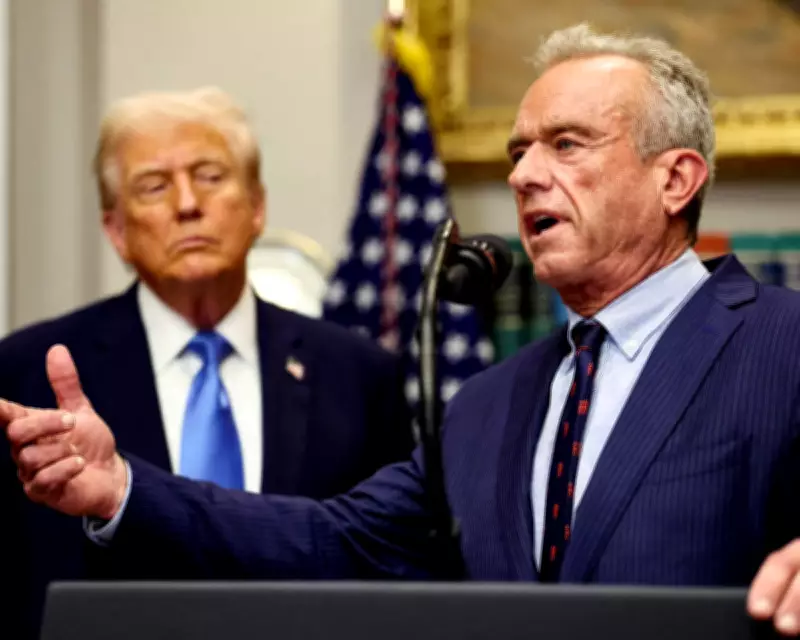
This development follows the FDA's efforts in 2025 to pressure companies to phase out petroleum-based dyes, though it stopped short of implementing a formal prohibition. Removing toxins from food is a key tenet of the Maha movement, led by Robert F. Kennedy Jr., who serves as the Secretary of the US Department of Health and Human Services, which oversees the FDA. Upon taking office last year, Kennedy quickly focused on addressing dye issues, framing an agreement with major food companies as "an understanding" rather than a strict ban.
Despite this, some candy manufacturers continue to resist fully eliminating artificial dyes from their products. The FDA's latest labeling decision has drawn criticism from advocates who see it as a compromise that fails to ensure genuine safety improvements.
Industry and Advocate Reactions
Kennedy defended the policy in a statement, calling it "real progress" that facilitates the transition away from petroleum-based synthetic colors toward safer, naturally derived alternatives. He asserted that this momentum supports the broader goal of promoting healthier eating habits under the "Make America Healthy Again" initiative.
Consumer Brands, a trade group representing packaged food companies, praised the FDA's action, describing it as a positive step toward ingredient safety and transparency. Conversely, Kelly Ryerson, a Maha advocate and author, acknowledged the FDA's initial efforts as "enormous" but expressed concerns about potential labeling confusion. She advocated for permanent bans on harmful additives.
Health Impacts and Regulatory Gaps
Synthetic dyes have been linked to various health issues, including ADHD and hyperactivity in children. In January 2025, prior to Kennedy's tenure, the FDA banned Red Dye 3 due to cancer risks identified in laboratory studies. Since then, states like West Virginia have enacted bans on certain synthetic dyes, while Texas has mandated warning labels. Over 25 states are currently considering similar measures against synthetic food dyes and other chemical additives.
Naturally derived dyes, such as beet juice, algae, and butterfly pea flower, are generally considered safer than petroleum-based options, but experts caution that "natural" does not equate to safe. Thomas Galligan highlighted that toxic substances like lead and arsenic occur naturally but are not used in food dyes, underscoring the need for rigorous safety assessments.

Concerns Over Titanium Dioxide and Other Additives
Among the most worrisome natural dyes is titanium dioxide nanoparticles, used to brighten whites or act as a primer for other colors. This substance is banned in the European Union due to safety concerns, including potential carcinogenicity, neurotoxicity, and links to intestinal inflammation and birth defects. Despite this, titanium dioxide remains widely used in the US food system, with estimates suggesting its presence in thousands of products, particularly in candies, cakes, cookies, and desserts.
The FDA has so far ignored a 2023 petition from major public health advocacy groups requesting the withdrawal of approval for titanium dioxide in food. Additionally, naturally derived caramel color can contain 4-MEI, an impurity associated with cancer, yet products with this ingredient may still carry "no artificial flavors" claims under the new rules.
Criticism and Broken Promises
Ken Cook, co-founder of the Environmental Working Group, condemned the FDA's shift as "another broken promise" from Kennedy and Trump. He argued that instead of implementing outright bans on dangerous additives, as pledged to their base, the administration has settled for informal agreements with industry that lack accountability. Cook noted that states are now taking the lead in protecting families, while federal actions fall short.
As the debate continues, the FDA's labeling changes raise fundamental questions about consumer protection and regulatory integrity in the food industry.