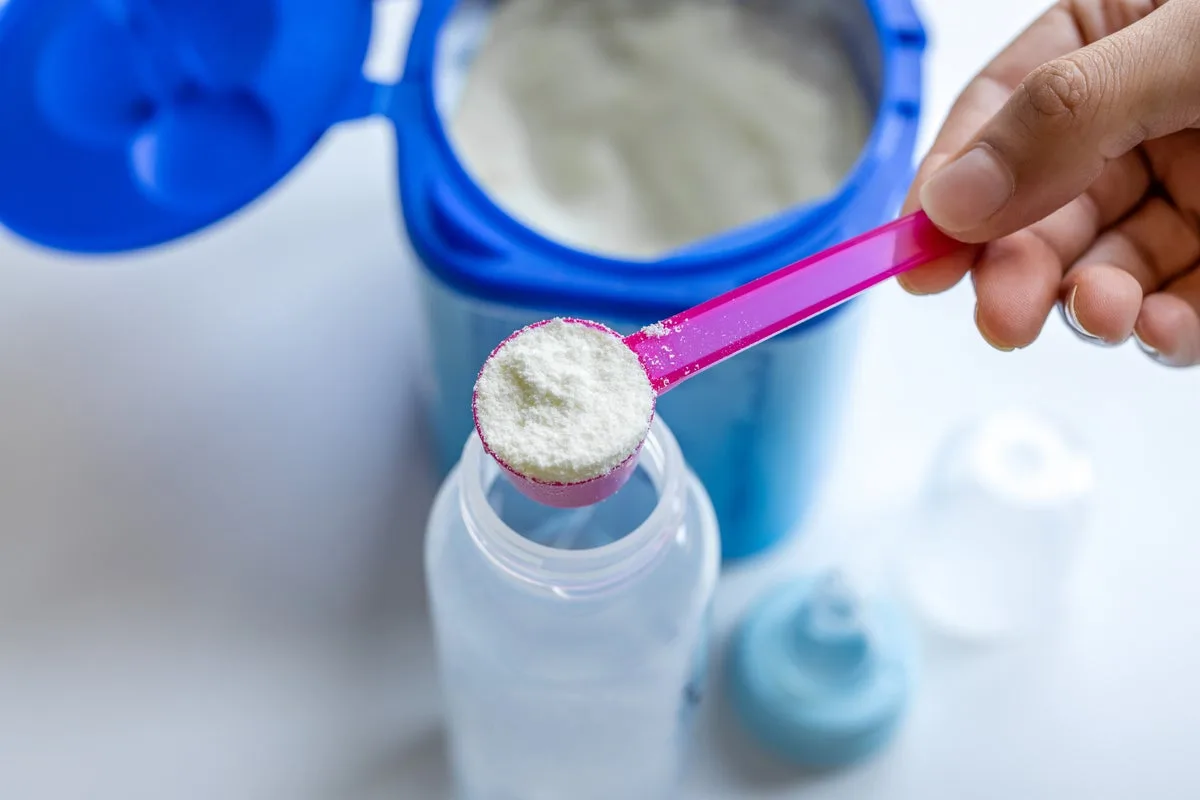
The United States Food and Drug Administration (FDA) has concluded that the country's infant formula supply is safe, following the largest and most rigorous analysis of contaminants to date. The findings, released on Wednesday as part of the agency's Operation Stork Speed project, detected only low levels of heavy metals, pesticides, and other potentially harmful substances.
Between 2023 and 2025, FDA officials tested over 300 samples of commercial infant formula for heavy metals such as lead, arsenic, cadmium, and mercury, as well as pesticides, phthalates, and PFAS chemicals. The results showed that levels of all detected contaminants were either undetectable or very low. Pesticides were not found in 99% of samples, and no traces were found for 25 of the 30 PFAS compounds tested.
Dr Steven Abrams, a paediatrics professor at the University of Texas at Austin who reviewed the study, said: “There’s no reason not to use any available formula” in the US. However, some experts expressed concern over the presence of synthetic compounds. Dr Sheela Sathyanarayana, a paediatrics professor at UW Medicine and Seattle Children’s Research Institute, noted: “These chemicals are completely synthetic. The detection of some of these compounds at all is concerning.”
Operation Stork Speed was launched by the Trump administration in March 2025 to review safety and quality standards for infant formula, the first such review in decades. The FDA currently has no enforceable limits for heavy metals in infant formula, unlike the European Union, Canada, and Australia. Consumer groups have long urged the agency to set stricter limits.
Abbott, a major formula manufacturer, welcomed the findings and called for the establishment of scientific standards for contaminants. Spokesman John Koval said: “We believe that producing infant formula at scale in the US is a matter of national security. These results affirm the safety of our current domestic supply.”