
Washing-up liquid and hot water is the most recommended method for unblocking a kitchen sink drain, according to experts, rather than white vinegar or baking soda.
A blocked or slow-draining sink can make everyday tasks like washing up or cleansing your face awkward and can leave the whole kitchen or bathroom smelling. Common culprits include food debris, hair and soap scum. However, there is no need to call a plumber straight away, as it can often be sorted at home.
Kitchen drain method
Ross Bilben, sales director at Bathroom Spare Parts, said: "My first recommendation is washing-up liquid and hot water. This is particularly effective for kitchen sinks where grease, fat and food residue are often responsible for slow-draining water."
He advised pouring a generous squirt of washing-up liquid down the plughole, leaving it for 10-15 minutes, then carefully flushing through with hot water. The washing-up liquid helps loosen greasy deposits while the hot water moves them through the pipework. He warned against using boiling water if there are plastic waste pipes, as excessive heat can damage some fittings.
Bathroom drain trick
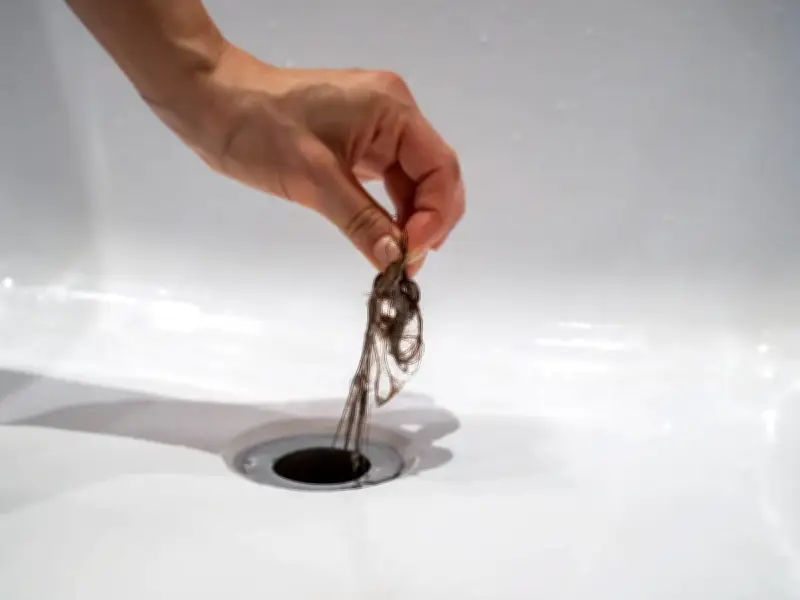
For bathroom drains, where blockages are frequently caused by hair, a different approach is needed. James Roberts, director at Sanctuary Bathrooms, suggested using a long, sturdy cable tie with small notches cut into its edges to hook out trapped hair.
He explained: "Carefully snip shallow, angled notches along the sides near the pointed end, creating little teeth. Don't cut deeply enough to weaken the plastic. Wearing gloves, hold the chunky head firmly and gently feed the pointed end into the plughole, wiggle it and slowly withdraw it. The teeth can catch the hair and bring the tangled build-up out with them. Put everything you pull out straight into the bin."
Other tools and prevention
If these methods fail, a plunger can still be effective for small blockages, according to Steve Chambers, managing director of Metro Rod. He said: "It sounds simple, but try a Plunger. For small blockages, a plunger can sometimes dislodge the debris."
He also advised against chemical drain cleaners, saying: "Whatever you do, avoid chemical drain cleaners. These can damage pipes and often don't solve the root problem."
To prevent blockages, waste should go in the bin rather than down the drain, particularly oil-based items. Anna Thunstrom, head of home insurance at Saga, noted that coffee grounds can clump together and cause blockages, especially as more people brew coffee at home since the pandemic. Jacob Larkin, spokesperson for Unblocktober, added: "Our number one piece of advice is to stick to the three Ps rule when it comes to flushing waste. Only flush pee, poo, and paper."




