Supermarket Egg Swap Scam Exposed: How to Avoid Being Duped
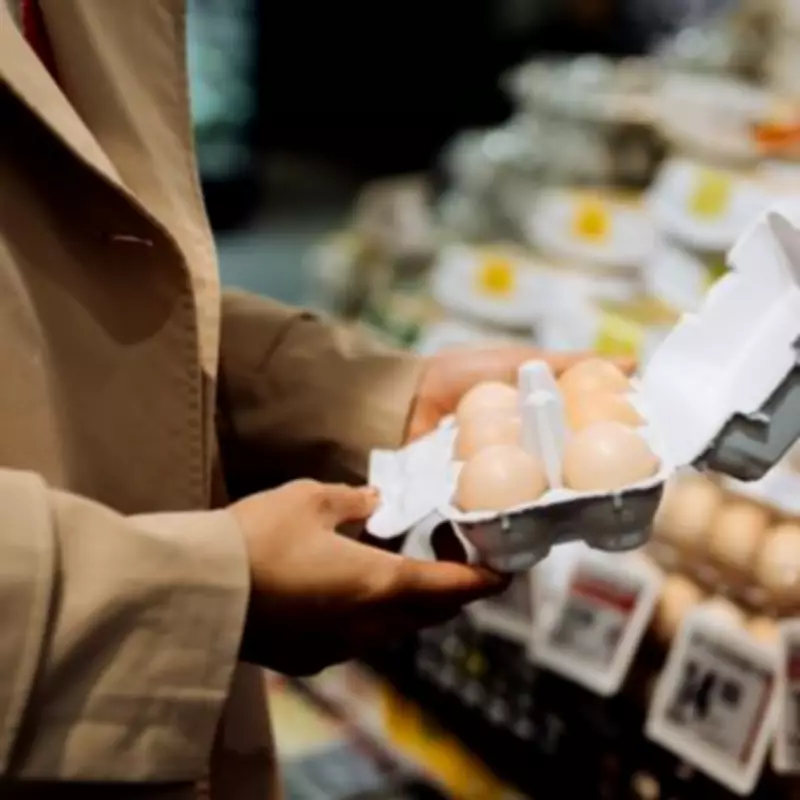
A mother has sounded the alarm after discovering a sophisticated egg-swapping scam that is reportedly becoming increasingly common in UK supermarkets. The incident highlights a growing trend where thieves are allegedly replacing premium eggs with cheaper varieties, leaving unsuspecting shoppers out of pocket and with inferior products.
The Shocking Discovery
Anita Wong, a 53-year-old nutritionist, purchased a £4.50 ten-pack of eggs from Waitrose, expecting high-quality Clarence Court Burford Buff eggs known for their deep-yellow yolks and high welfare standards. However, upon returning home, her eagle-eyed daughter noticed the eggs seemed smaller and lacked the distinctive Clarence Court crown logo stamped on each shell.
Doing further investigation, Anita searched the internet for the serial number imprinted on the eggs and confirmed they were standard British varieties, not the premium ones she paid for. This revelation exposed a deliberate swap, where someone had apparently taken the expensive eggs and replaced them with cheaper ones in the carton.

How the Scam Works
In an Instagram post, Anita explained the mechanics of this fraudulent activity. "This is what's happening in a lot of supermarkets at the moment," she stated. "The more expensive eggs, people are actually decanting those into the less expensive egg boxes and buying them so the people who are buying the more expensive eggs are unwillingly buying the less expensive eggs."
When Anita returned to the store to report the issue, a staff member informed her that such incidents are not uncommon. The sales assistant suggested that someone had likely swapped the contents and paid for the standard egg box, effectively shoplifting the premium eggs at a lower price.
Financial Impact and Consumer Advice
The price difference is significant: Waitrose Essential free-range eggs cost around £1.50, while a six-pack of Clarence Court eggs can be as much as £4.55. This scam, sometimes referred to as "egg-flation" fraud, exploits rising food costs and consumer demand for quality products.
Anita concluded her video by urging all shoppers to vigilantly check their eggs before reaching the checkout. Key steps include:
- Inspecting the eggs for brand logos or stamps, such as the Clarence Court crown.
- Comparing the size and colour of the yolks if possible (though this requires opening the carton).
- Verifying serial numbers on the shells against the packaging claims.
- Being cautious if the carton appears tampered with or resealed.
Broader Food Safety Concerns
This scam emerges alongside other egg-related safety warnings. In a separate incident, residents near a former chemical plant in Thornton, near Blackpool, have been advised not to eat eggs from their own chickens. Tests revealed elevated levels of Perfluorooctanoic Acid (PFOA), a carcinogenic chemical, in eggs produced within a one-kilometre radius of the site.
According to the Food Standards Agency (FSA), consuming just one of these contaminated eggs per week could exceed safe exposure limits. This underscores the importance of both vigilance against fraud and awareness of broader food safety issues.
As supermarket scams evolve, consumers are encouraged to stay informed and proactive. Checking purchases thoroughly can help avoid disappointment and ensure you get what you pay for in an increasingly complex retail environment.