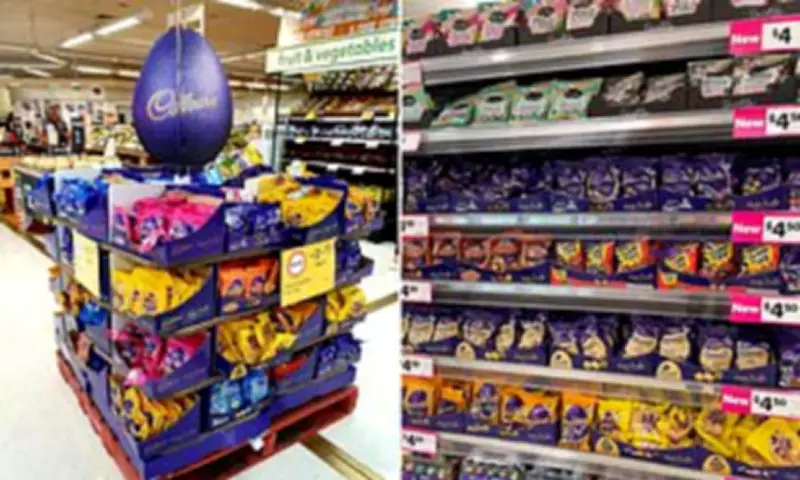
Prices for Cadbury hollow eggs have surged dramatically, with costs per gram almost doubling compared to two Easters ago, even as global cocoa prices have collapsed. This alarming trend has been highlighted by the consumer advocacy group CHOICE, which found widespread price hikes and product downsizing across the seasonal chocolate market.
Shrinkflation Hits Easter Treats Hard
Manufacturers and supermarkets have implemented significant price increases across the board. For instance, the beloved Lindt bunnies have seen their prices jump by a third compared to 2025 levels. Many seasonal products are also falling victim to 'shrinkflation,' where retailers reduce product sizes while maintaining or even increasing prices.
Cadbury's Shrinking Eggs
In a stark example, Cadbury's large hollow egg box has lost four eggs over two years, while the price has skyrocketed from $12.50 to $18.00. The chocolatier has also made changes to its premium offering, Cadbury's deluxe egg, for the second year running. In 2025, 60 grams were shaved from the product, followed by a $3 price increase in 2026.

Aldi has similarly trimmed 20 grams from its bannoffee and rocky road hot cross buns while keeping prices unchanged. These adjustments come despite a dramatic shift in cocoa costs.
Cocoa Price Volatility and Manufacturer Justifications
Manufacturers initially pointed to soaring cocoa prices to justify shrinkflation, citing poor harvests, crop disease, and structural supply issues that triggered a global cocoa crisis. However, cocoa prices have since plummeted by 75% from the 50-year high reached in 2024.
Cadbury's parent company stated it had made 'carefully considered adjustments' to manage cost increases while keeping products at key price points. A spokeswoman emphasized, 'Throughout this volatility, our focus has remained on delivering Australian-made quality, great taste, and an Easter range that offers genuine choice and value for families.'
The company also noted the time lag for cheaper cocoa beans to work their way into chocolate bars. Aldi told AAP it always aims to keep prices as low as possible.
Government and Regulatory Responses
The federal government announced it is cracking down on shrinkflation by strengthening the unit pricing code and making it easier for Australians to compare prices accurately. Assistant Competition Minister Andrew Leigh stated, 'This is about clear, accessible information which allows shoppers to compare prices fairly and make informed choices.'
He added that this effort is part of broader measures, including banning supermarket price gouging, cracking down on misleading pricing practices, and boosting penalties enforced by the consumer watchdog. Supermarkets have resisted notifying shoppers about shrinkflation, despite recommendations from Australia's consumer watchdog.
Broader Market Trends and Future Outlook
ABS figures show that snacks and confectionery, including chocolate, ballooned by 5.6% in the 12 months to January, driving general food prices upward. Research from Rabobank in 2025 warned that chocolate lovers should not expect costs to return to pre-crisis levels even if cocoa prices drop.
CHOICE has urged shoppers to look around for bargains, echoing Cadbury's suggestion that consumers shop around to find the best value. In a positive development for chocoholics, Australia's free-trade agreement with the European Union, signed recently, will drop tariffs on European-sourced chocolate, with the agreement due to take effect in 2027.
This combination of shrinkflation, persistent high prices despite falling cocoa costs, and regulatory actions highlights the ongoing challenges consumers face in the confectionery market, particularly during festive seasons like Easter.