A benefit support charity has raised concerns about new DWP anti-fraud powers to check people's bank account details. The group fears people could be "wrongly flagged" under the new system.
New Powers to Check Bank Accounts
The new measures have already been put into law and will start to be put into practice soon. In efforts to prevent fraud and erroneous payments in the benefits system, officials have been granted new powers to contact bank account providers, instructing them to comb over accounts linked to certain benefits. The banks will then flag up bank accounts that may not be eligible for their benefits to be investigated further.
These measures will initially be used to check the details of those on three benefits: Universal Credit, Pension Credit and Employment and Support Allowance. But the legislation mentions that these verification checks could be expanded to other benefits.
Implementation Timeline
As the powers are gradually put into effect, the DWP is to run a "test-and-learn phase" starting later in 2026, scaling up gradually to a full rollout of the measures by 2029/2030.
Concerns Over Honest Mistakes
Rebecca Lamb, external relations manager at financial support group Money Wellness, said: "We understand why the Government wants to make sure benefits are going to the right people, but it's just as important that these new checks are fair and don't end up catching people who've made an honest mistake. As the scheme is tested, the DWP should be looking closely at how many people are wrongly flagged, how quickly problems are put right, and whether people understand what's happening."
"The benefits system can be complicated, so it's important there are clear safeguards and people have an easy way to challenge decisions if something doesn't look right." She also shared her thoughts on whether the remit of these powers could be extended to other benefits.
Potential Expansion and Unnecessary Worry
Ms Lamb said: "If these checks prove to be accurate and fair, it's understandable the government might look at using them for other means-tested benefits. But any expansion should only happen once there's clear evidence they're working properly and not creating unnecessary worry for people who are claiming in good faith."
"Whatever benefits are included, the priority has to be getting the balance right between protecting public money and making sure people aren't unfairly caught up because they've misunderstood complex rules."
How the Checks Work
The bank account checks could help identify people who are not eligible for their payments as with means-tested benefits, your income and savings and investments affect how much you get.
For example, with Universal Credit, you start to lose your entitlement if you have savings of more than £6,000, and you are not entitled to any payments if you have savings of more than £16,000. Your earnings also reduce your entitlement, dropping by 55p for each £1 you or your partner earns.
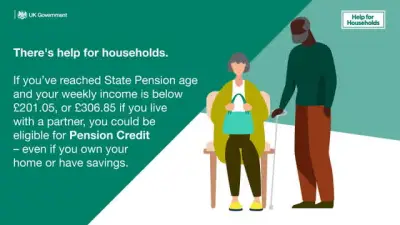
Similarly if you claim Pension Credit, your entitlement will taper off if you have over £10,000 in savings and investments. For each £500 you have above this level, this counts as £1 a week of income, effectively reducing the income top-up you get through the benefit by the same amount.
Who Might Be Caught Out
Ms Lamb warned some claimants are more at risk than others of getting these rules wrong, and often not on purpose. She said: "The people most likely to be caught out aren't necessarily people trying to bend the rules."
"They're often people who don't realise their change in circumstances needs to be reported. We regularly speak to people who don't know how savings limits work, aren't aware they need to report a change, or are unsure what counts towards their entitlement."
She said some situations where people might mistakenly get the wrong amount include: receiving an inheritance, having gradually built up some savings, and keeping an amount of money in their account temporarily, for friends or family.
DWP Response
The DWP was asked for an update on the rollout of the new bank account powers. The group said it is working closely with the banking industry to ensure the powers are used "safely and effectively".
Any information obtained through the checks will only be used to identify incorrect payments. These details on their own will not lead to a person's benefit being reduced or stopped.
In the event a bank account is flagged up, a trained DWP official will look at the case and will consider "all relevant information" before any further action is taken.
Claimants can use the DWP's existing support if they want to dispute any matter, such as its complaints and appeals processes. The new laws also mandate that an independent overseer will look over the use of the powers to make sure they are used appropriately, the department said.