David Protein Bars Accused of Lying About Calories in Major Lawsuit
A new class action lawsuit has accused David Protein bars, a popular snack brand that surged in popularity during the high-protein food trend, of deliberately misleading customers about the true calorie and fat content of their products. The legal action, filed in federal court in New York in January, claims that laboratory tests reveal the bars contain significantly more calories and fat than advertised.
Shocking Laboratory Findings Alleged
The lawsuit asserts that an accredited laboratory analysis found David Protein bars, which come in flavors such as Chocolate Chip Cookie and Fudge Brownie, contain up to 83 percent more calories and a staggering 400 percent more fat than the nutritional labels indicate. The brand markets its bars as providing 28 grams of protein for only 150 calories per serving, but the plaintiffs argue this is a gross misrepresentation.
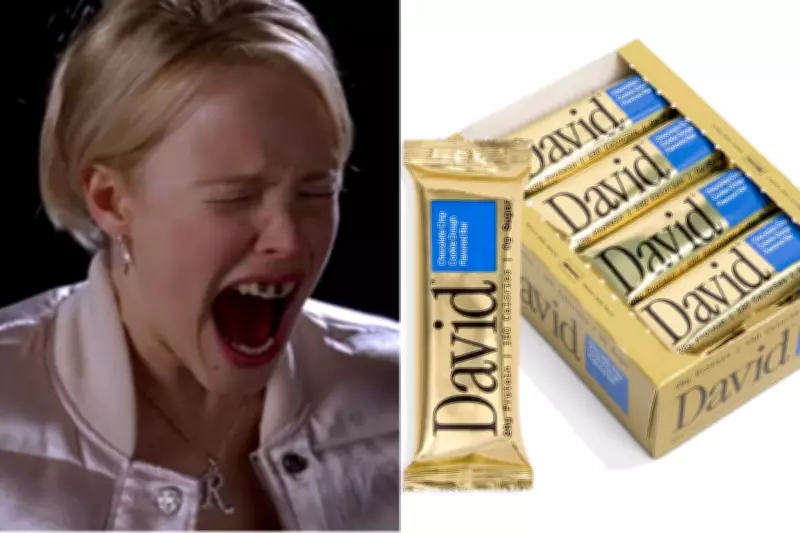
These accusations draw a parallel to a famous scene from the 2004 comedy film Mean Girls, where the character Regina George is tricked into consuming weight-gain bars. However, David Protein CEO Peter Rahal, who also founded RXBar, has vehemently denied any such deception. In a statement on social media, Rahal insisted, "No one is getting Regina Georged." He attributed the discrepancy to a misunderstanding over how calories are measured.

CEO Defends Labeling Methodology
Rahal explained that the confusion stems from the use of a bomb calorimeter, a device that measures heat released when food is burned. He emphasized that nutrition labels are not based on this method but rather on what the human body can actually absorb and use for energy. "That distinction matters for ingredients found in David, such as fiber, sweeteners, and fat substitutes like EPG," Rahal stated. "Burning them in a bomb calorimeter treats them as fully digestible calories, even though they are not. That's why the FDA requires different calculation methods for these ingredients when determining calories. David is 150 calories."
Legal and Regulatory Implications
The class action lawsuit alleges that David Protein, which launched in late 2024, engaged in "unlawful and deceptive practices in labeling and marketing" to boost sales. If proven true, the company could be violating Food and Drug Administration regulations, which mandate that nutritional content must be within 20 percent of the actual values. The plaintiffs are seeking a jury trial and pursuing damages, restitution, and injunctive relief to halt the sale of the allegedly mislabeled bars.
The lawsuit aims to represent consumers who purchased the protein bars in California, Illinois, and New York. Lawyers for the plaintiffs and representatives for David Protein have not yet provided further comment to media inquiries. Rahal has indicated his intention to vigorously contest the claims, setting the stage for a potentially lengthy legal battle over nutritional transparency in the food industry.