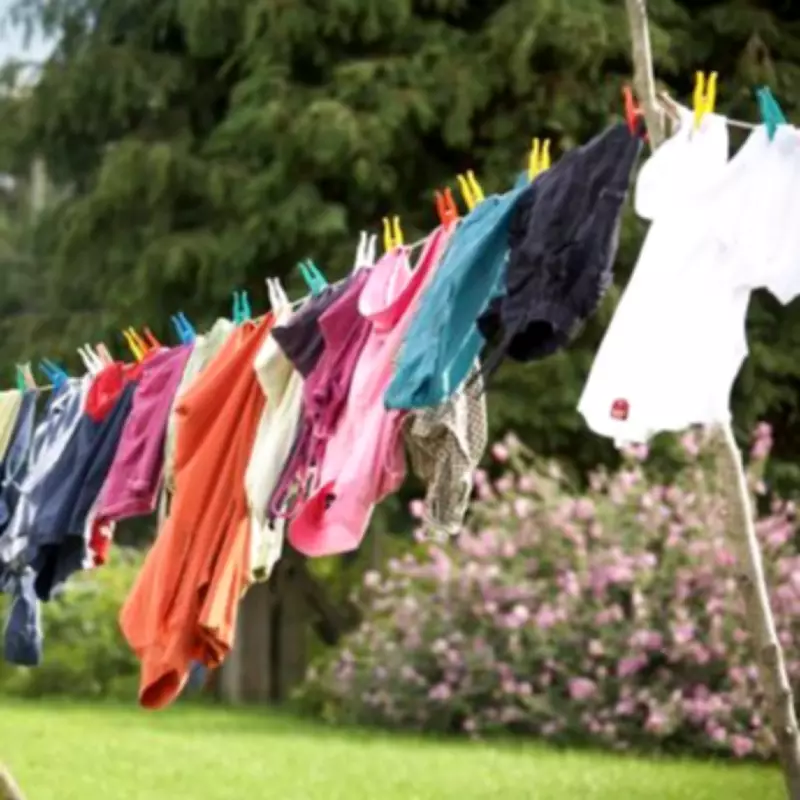
Washing clothes should leave them feeling fresh and clean, but many people find their garments emerging from the machine with an unpleasant, stale odor. This frustrating issue often stems from a common laundry mistake that can be easily corrected.
The Culprit Behind Stale-Smelling Laundry
Cleaning expert Lynsey Crombie, known as the Queen of Clean, identifies excessive fabric softener as the primary cause of clothes developing what she describes as a "nasty" smell after washing. Many households routinely use both detergent and fabric softener, expecting pleasant scents to linger on their laundry.
However, Lynsey explains that too much fabric conditioner creates buildup on fabrics rather than freshening them. "Excess fabric conditioner creates build-up instead of freshening clothes," she states. "Less is more, avoid overuse for the best results."

Why Fabric Softener Causes Odor Problems
When fabric softener accumulates on clothing fibers, it can trap dirt and bacteria, leading to that characteristic stale smell. The product residue prevents fabrics from breathing properly and can make them feel heavy and greasy to the touch.
Ann Russell, another cleaning expert who shares advice on social media, confirms these concerns. "If you over use it, it can make your clothes smell," she warns. "They come out and they smell of fabric softener. You put them away and you open the drawer and two days later it smells sour – that's fabric softener."
Additional Concerns About Fabric Softener
Beyond odor issues, experts highlight other problems associated with fabric softener overuse:
- Clothes may become more flammable when treated with certain fabric softeners
- Excessive use can cause fabrics to appear discolored or develop strange patches
- The product buildup makes garments feel "floppy, heavy, and greasy" according to Ann Russell
- Over-softened clothes tend to attract dirt more quickly, requiring more frequent washing
Simple Solutions for Fresher Laundry
The good news is that fixing this problem requires minimal effort. Lynsey Crombie's followers have already implemented her advice with positive results. One commented: "I used to use too much now I don’t anymore," while another added: "Don’t know that thanks for the info."
For those seeking alternatives, consider these approaches:
- Reduce fabric softener quantities – Use significantly less than recommended on packaging
- Skip fabric softener occasionally – Allow fabrics to breathe without chemical treatments
- Try natural alternatives – White vinegar or baking soda can soften fabrics without residue
- Ensure proper drying – Make sure clothes dry completely before storing to prevent mildew
- Clean your washing machine regularly – Run empty cycles with vinegar to remove buildup
Ann Russell admits she uses fabric softener "very, very rarely" despite not being a complete opponent of the product. She emphasizes that fabric softener should only be used for its intended purpose, not for alternative applications like freshening upholstery.
By adjusting laundry habits and being mindful of fabric softener quantities, households can enjoy truly fresh-smelling clothes that maintain their quality through multiple washes. The key takeaway from cleaning professionals is clear: moderation with fabric softener leads to better results and eliminates that frustrating stale odor that plagues so many laundry loads.