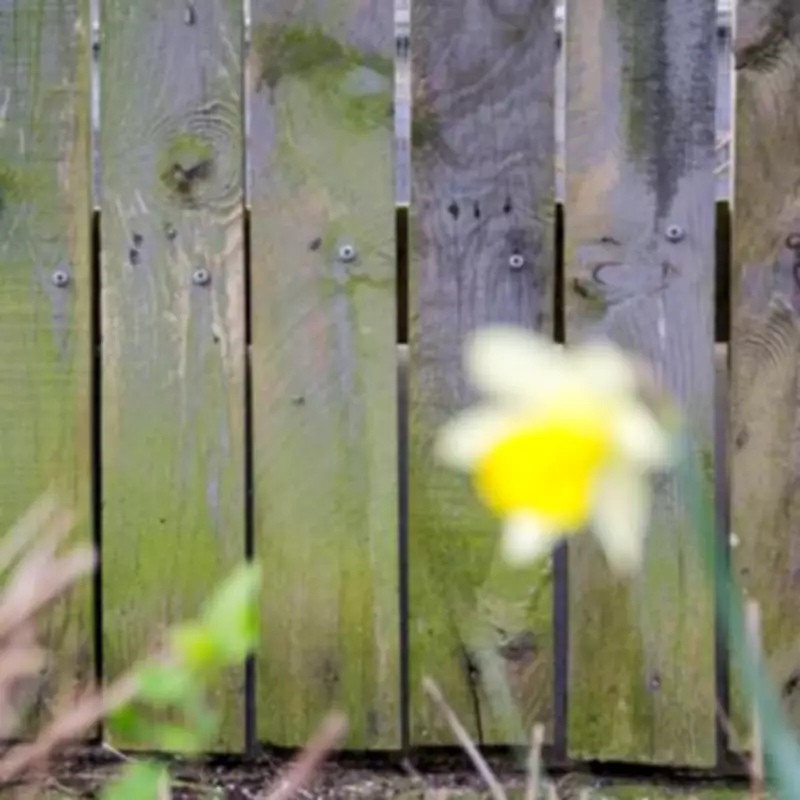
Remove Green Algae from Garden Fences Instantly with 57p Cleaning Tip
Gardening specialists warn that green algae can gradually damage your garden fence – but a cheap solution may help clear the problem. Maintaining a garden comes with no shortage of jobs to keep on top of. Yet some of the most impactful ways to make your outdoor space look fresher and more welcoming have nothing to do with planting – it's simply a matter of giving everything a thorough clean.
Your garden fence sets the tone for your entire outdoor area, so keeping it well-maintained is absolutely vital. Green algae can be a particularly troublesome issue, leaving ugly stains on the wood and making your fence look tired and uncared for. Thankfully, tackling it is remarkably straightforward and all you need is one inexpensive cupboard staple.
Gardening experts at B&Q caution that green algae is far more than just an eyesore – it can slowly break down the wood of your garden fence, potentially resulting in costly repairs further down the road. With summer just around the corner, the last thing anyone needs is to splash out more money fixing damage caused over winter. Fences positioned in shaded spots are especially vulnerable to algae growth, while nutrients in the wood and moisture from surrounding plants can further fuel its spread.

The good news is that a simple bottle of white vinegar, available from as little as 57p at Asda, can swiftly resolve the problem, reports the Mirror.
How to Clean a Garden Fence
For wooden fences, a basic white vinegar solution will efficiently eliminate any dirt and algae. If you have a composite or metal fence, ensure that any products used won't cause damage to the surface finish.

- Combine one part white vinegar with one or two parts water, boosting the vinegar-to-water ratio for particularly grimy fence panels.
- Once your solution is prepared, you're ready to get started.
- Before beginning, tie back and shield any nearby plants to avoid causing unintentional damage. Put on protective gloves and goggles for added safety.
- Apply the solution using either a sponge or spray bottle. The B&Q experts recommend testing it on a small area first to check it won't cause any damage to the fence panel.
- Start at the top and work your way down, leaving the solution on the panel for 10-15 minutes while ensuring it doesn't dry out.
- Then, using a sponge or brush, work the cleaning solution into the fence panel with circular motions. Focus on small sections at a time until the green residue starts to fade away.
- Once you've thoroughly worked the cleaning mixture into the fence panels, rinse them down completely with a hose to wash away all traces of the solution and prevent any streaking or potential damage.