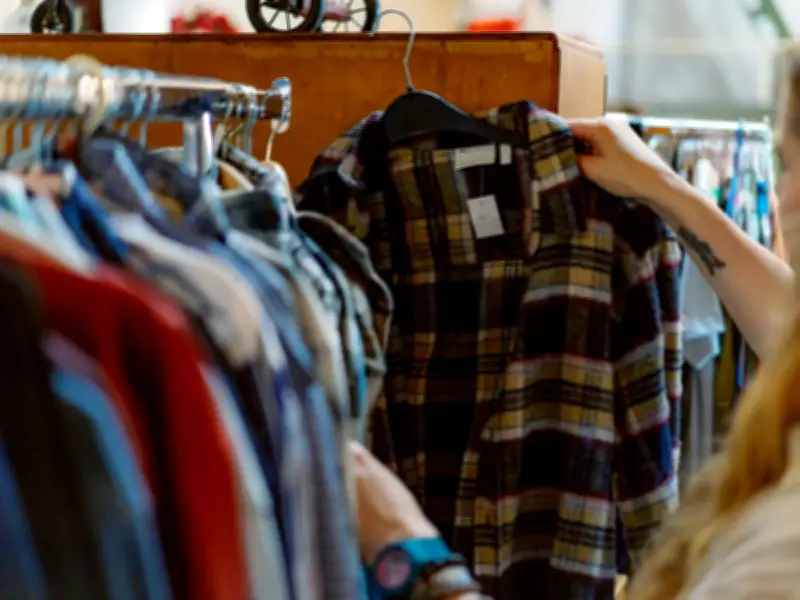
Many donated items end up being thrown away when they are not suitable for sale, according to a former charity shop worker. Massimo Peluso, who has both worked and volunteered in charity shops, explained that people often do not realise how much donated stock has to be discarded.
Reality of Donations
Speaking through his TikTok channel, Peluso said: "Until you've actually worked in a charity shop, you will see how much is thrown away." He noted that clothing can frequently be recycled or redistributed through specialist services when it is ripped, torn, smells or proves otherwise unsuitable for the shop floor.
Processing Challenges
Certain charity shops also possess washing machines to launder donated garments before determining whether they can be sold. However, other categories of donations can prove considerably more problematic to manage. Peluso said: "If they're broken, if they're smashed, if they're not fit for purpose, they just get chucked."
According to Peluso, the sheer quantity of unwanted donations can prove overwhelming, particularly for smaller charity shops which lack the equivalent resources or infrastructure as larger organisations. He said: "I don't think people realise the volume of how much there is in the world, how much gets thrown away. A lot of charity shops are completely overwhelmed, especially the smaller ones, I would say, because they don't have the resources or the tools to really sort it. The big ones can kind of deal with it."
Impact on Shops
His remarks shed light on why simply dropping off unwanted goods does not necessarily guarantee they will end up on a charity shop's shelves. While donating is frequently regarded as a more environmentally conscious method of disposing of unwanted possessions, charity shops must still assess whether each item is safe, clean and fit for sale. For smaller outlets in particular, managing large volumes of unsuitable donations can consume precious time and resources.
Responding to his post, one user commented: "We're a smaller chain and our old rag man went under, and the current one only wants saleable items, so we're looking down the barrel of having to pay for more frequent bin collections, which might lead to the smaller shops closing." Another user wrote: "So much is thrown away because it's damaged and grim. No one wants to buy damaged things. Unless it's something valuable, no one wants chipped bric-a-brac when you can buy new cheap." A third user commented: "Currently volunteer in one - and we have been donated expired biscuits, opened dog treats and etc. I work in a small one in a small market town."