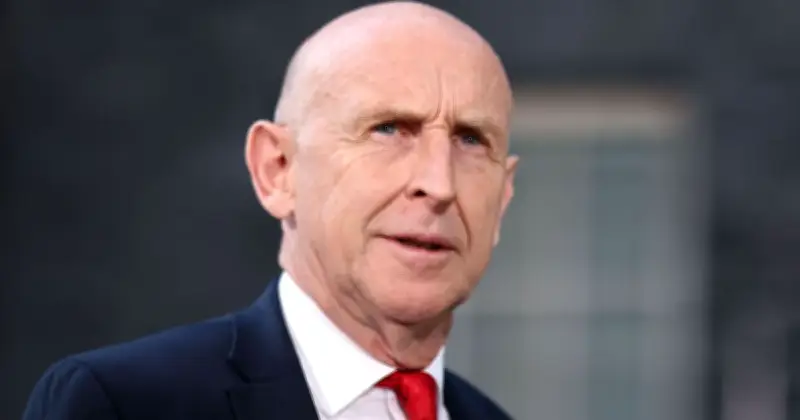
Chancellor John Healey has been warned that a new tax raid through higher Capital Gains Tax (CGT) could blow a £6.2billion hole in Britain’s public finances and choke off urgently needed investment.
With Labour activists gathering in Liverpool for the party conference and the nation braced for tax rises in next month’s Budget, the Institute of Economic Affairs (IEA) has sounded the alarm. There are strong fears the Chancellor will hike CGT – paid on selling assets such as a business or a second home – to cope with soaring borrowing costs.
IEA analysis of CGT rates
The IEA’s analysis found that hiking up the present two levels of CGT from 18% and 24% to 20% and 34% “would cost the Exchequer approximately £6.2billion over the remainder of the Parliament”.
It states: “The reason is that higher CGT rates can change taxpayer behaviour. Unlike taxes on ordinary earnings, CGT is generally incurred when an asset is disposed of and a gain realised. Investors therefore have greater scope to change when - or whether - they sell assets in response to tax rates.”
Warnings from economists and campaigners
Valentin Boboc, a senior economist with the IEA, said: “Ahead of the Budget, the Chancellor should be wary of assuming higher CGT rates will bring in more money. A CGT raid might sound like somebody else’s problem, but ordinary workers could ultimately end up paying the price. Higher rates risk driving investors to hold onto assets and deterring entrepreneurs from starting, growing and selling businesses – choking off the investment and economic activity Britain needs.”
Sebastian Charleton of the Adam Smith Institute (ASI) also voiced concerns, saying: “With national debt edging ever closer to 100% of GDP and the tax burden at a 70-year high, politicians must recognise that Britain doesn't have a revenue problem – we have a spending addiction. Hiking Capital Gains Tax is a dangerous, self-defeating sticking plaster. Far from raising cash, all the evidence shows it starves start-ups of investment and freezes capital in unproductive parts of the economy. What’s more, increasing CGT will only accelerate the ongoing exodus of wealth creators.”
Mr Charleton predicted “phasing out and scrapping CGT altogether would boost our economy by £25billion a year - the equivalent of £1,000 for every family in Britain”.
Treasury response
John O'Connell, chief executive of the TaxPayers’ Alliance said: “Another capital gains tax raid would be a hammer blow to savers, investors and entrepreneurs. Jack up rates and people will change their behaviour, investment will suffer, and the Treasury could end up collecting less, not more. The Chancellor should stop hunting for new tax hikes and tackle the real problem of runaway spending and the ballooning welfare bill.”
A Treasury spokesperson said: “As has always been the case, decisions on tax are a matter for the Chancellor to set out at fiscal events, rather than routinely commenting on rumour, speculation or proposals.”