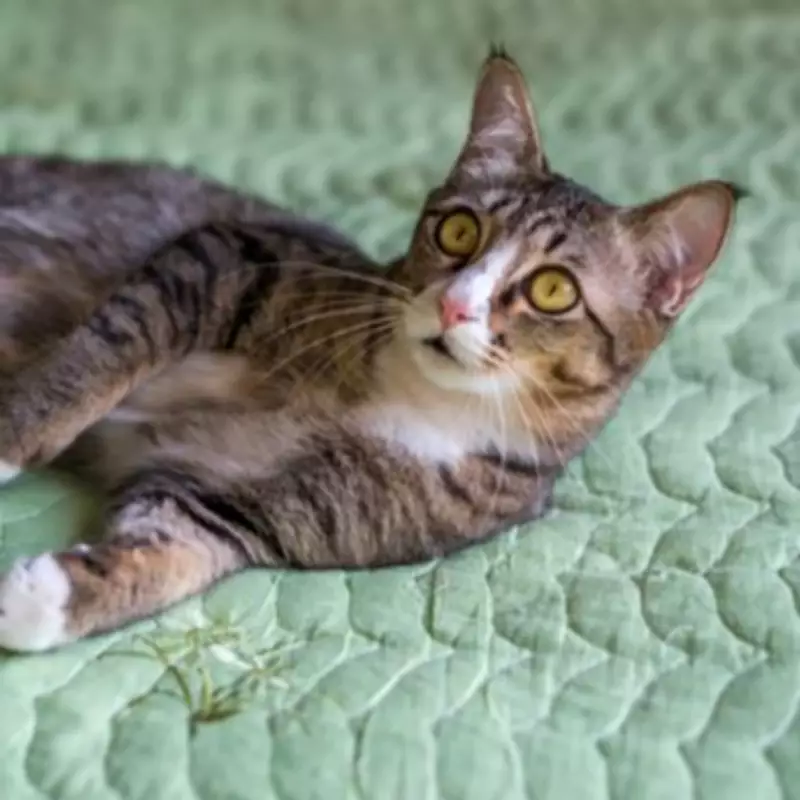
A cat owner who rushed her ginger cat to the vet after noticing it was limping ended up paying a hefty £600 in fees, only to make a startling realisation about her pet's condition shortly after returning home.
The Costly Vet Visit
The woman, who owns three cats, became concerned when she observed one of them limping noticeably. Fearing it might be a sign of pain or injury, she promptly took the animal to a veterinary clinic for a thorough examination. The visit resulted in a bill of £600, covering diagnostics and potential treatments, though the exact outcome from the vet remains unclear.
A Sudden Change in Behaviour
Just 24 hours after the vet appointment, the cat's behaviour transformed dramatically. In a video shared on TikTok, the pet was filmed racing around the home, jumping off walls, standing on top of doors, and rolling on the floor—all activities that seemed impossible given its previous limp. The owner captioned the video, "My cat the day after I spent £600 at the vet because he was limping," expressing her bewilderment at the swift recovery.

Sympathy from Other Pet Owners
Commenters on the social media post resonated with the woman's experience, sharing similar stories of expensive vet visits that turned out to be unnecessary. One person recounted how their cat held up a paw, leading to a vet trip for a suspected sprain, only to realise the gesture was a hunger signal. Another noted their cat ate a full meal after a $400 vet bill, joking that the animal "heals every time I spend money on her."
Understanding Cat Limping
According to Pet MD, limping in cats should never be ignored as it can indicate underlying issues such as pain, injury, or illness. Potential causes include broken bones, dislocated joints, torn toenails, insect bites, bruising, infections, osteoarthritis, autoimmune diseases, or even cancer affecting bones or soft tissues.
Pet MD advises cat owners to gently examine the affected area for visible problems with toenails, paw pads, feet, or legs, but to avoid forcing the cat if it resists. Keeping the cat indoors for closer monitoring and rest is recommended, with a vet appointment necessary if symptoms persist or worsen after a couple of days.
Lessons from the Experience
This incident underscores the challenges pet owners face when interpreting animal behaviour and the financial burdens of veterinary care. While it's crucial to seek professional help for potential health issues, as highlighted by Pet MD, this story serves as a reminder that sometimes pets recover unexpectedly, leaving owners with both relief and hefty bills.