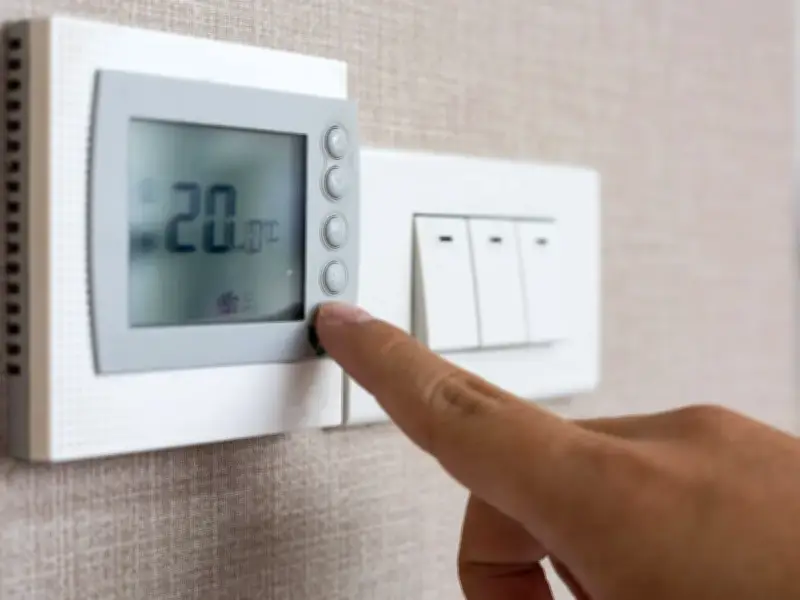
As October draws to a close and temperatures begin to drop, many households across the UK are switching their heating back on. While it can be tempting to use the heating sparingly or dial down the thermostat to keep energy bills in check, maintaining your home at the correct temperature goes beyond comfort, as a cold house is far more vulnerable to condensation and mould.
A chilly home can also pose risks to vulnerable individuals, such as the elderly and young children. Fortunately, experts have offered guidance on the ideal thermostat settings for your home.
Recommended Temperatures for Each Room
The Energy Saving Trust recommends heating your home to the lowest comfortable temperature, which for most people is between 18°C and 20°C. The ideal indoor temperature will vary from room to room, depending on the room's purpose and how frequently it is used.
As a general rule of thumb, however, British Gas said a living room should be between 20°C and 22°C, while a hallway, landing, or storage area can be kept between 15°C and 18°C. For adult bedrooms, aim for 16°C to 18°C; for babies, aim for 16°C to 20°C.
Special Considerations for Babies and the Elderly
British Gas said newborn babies aren't very good at regulating their temperature, so it's important that they don't get too hot or too cold. Alongside monitoring the thermostat, you can retain warmth by drawing the curtains and sealing any draughts.
For the elderly, Age UK recommends heating the main living areas to a steady, comfortable temperature, usually around 18°C. These temperatures should prove comfortable for rooms such as the living room and bedroom. It was also suggested that turning down radiators in rooms that are not in use can help reduce costs.
How to Heat Homes More Efficiently
For those concerned about energy bills this year, British Gas has shared several ways to heat your home more efficiently and cost-effectively. These include draught-proofing around doors, windows, keyholes, and letter boxes to prevent heat from escaping.
Improving insulation in walls, lofts, and floors can also help retain warmth where it is needed most, while keeping your boiler and heating system properly maintained remains equally important.