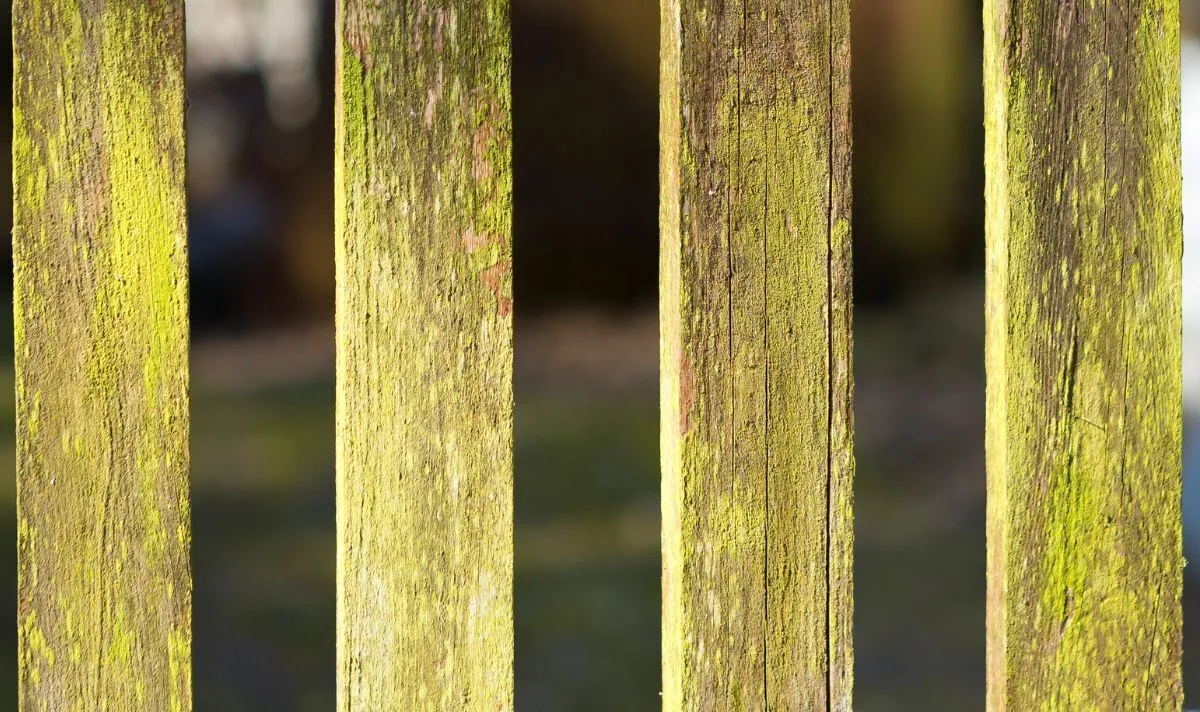
Wooden fences are a popular choice for homeowners seeking privacy and customisation, but they often develop unsightly green stains caused by algae or moss. While not harmful, this growth can look horrendous and may accelerate wood deterioration. William Mitchell of Sutton Manor Nursery has shared two natural, cost-effective solutions using common household items.
According to Mitchell, white vinegar and baking soda are the best natural options for removing algae. White vinegar, available at supermarkets like Tesco and Asda for 29p, should be mixed with water and sprayed onto the affected area. After 30 minutes to an hour, scrubbing the fence reveals a freshly cleaned surface. Baking soda, costing 65p at Tesco or 75p at Asda, can be applied similarly for effective results.
These methods are safe for most wood types and avoid the potential damage or discolouration that pressure washers can cause. Mitchell advises using white vinegar specifically, as it helps remove stains and oil while disinfecting. After cleaning, applying a quality sealant creates a barrier that prevents algae regrowth, keeping fences looking clean and new.
For those replacing fence panels, cedar and redwood are naturally resistant to rot and decay, containing oils that repel insects. These woods maintain their appearance longer, reducing the need for frequent cleaning. Regular maintenance with natural cleaners can extend the life of wooden fences and enhance garden aesthetics.