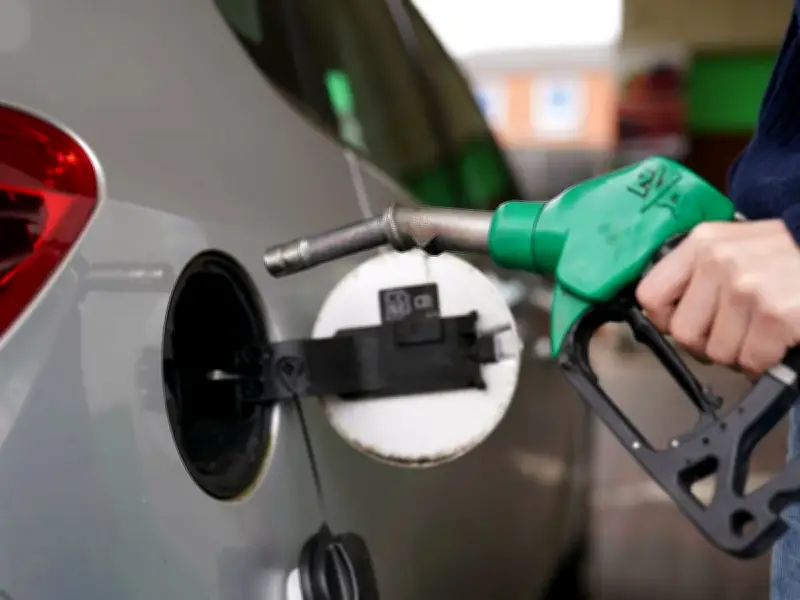
Oil prices have surged to a five-month peak, raising concerns about further increases at British petrol stations. Brent crude, the international benchmark, rose by as much as 1.4% overnight to exceed $114 per barrel, a significant jump from approximately $73 before hostilities commenced earlier this year.
Oil price spike and Middle East tensions
The recent oil price spike came after reports suggested Donald Trump might intensify military action in the Middle East following the midterm elections. The New York Times revealed that the US and Israel had prepared plans for fresh strikes against Iran.
Multiple experts have urged the Government to reduce fuel duty to shield motorists from rising petrol and diesel prices amid the ongoing conflict.
Current UK fuel prices
According to RAC Fuel Watch, the average petrol price across the UK now stands at 173.98p per litre, while diesel has reached 199.01p per litre, approaching the diesel peak witnessed after Russia's invasion of Ukraine in 2022.
Best days to refuel
Drivers looking to minimise costs might consider refuelling on Mondays and Tuesdays, when prices tend to be lower owing to reduced demand, according to UK Fuel Planner data, reports the Express.
Their examination of UK pricing information revealed that Mondays and Tuesdays typically deliver the best value. This pattern emerges because demand increases towards the weekend, with leisure motorists filling up for extended journeys on Fridays and Saturdays.
Their analysis of UK data consistently showed Thursdays and Fridays recording the highest pump prices. "The differential is typically modest - usually 1 to 3 pence per litre compared with the weekend peak - but on a 55-litre tank this still represents a saving of up to £1.65," it explained.
Nevertheless, there's no guaranteed bargain day as prices are influenced by global markets, and the variation is generally minimal, meaning selecting your petrol station wisely could prove far more beneficial.
Regional price differences
Just a month ago, motorists in Rugby, Warwickshire, could have faced paying £20 more to fill their tank simply by visiting competing forecourts situated mere miles apart.
British Fuel Prices disclosed there was a 30p price difference, which meant drivers of larger family vehicles could end up spending nearly £20 extra to fill their tank.