BBC Expert Issues Urgent Warning Over Cash Payments for Home Services
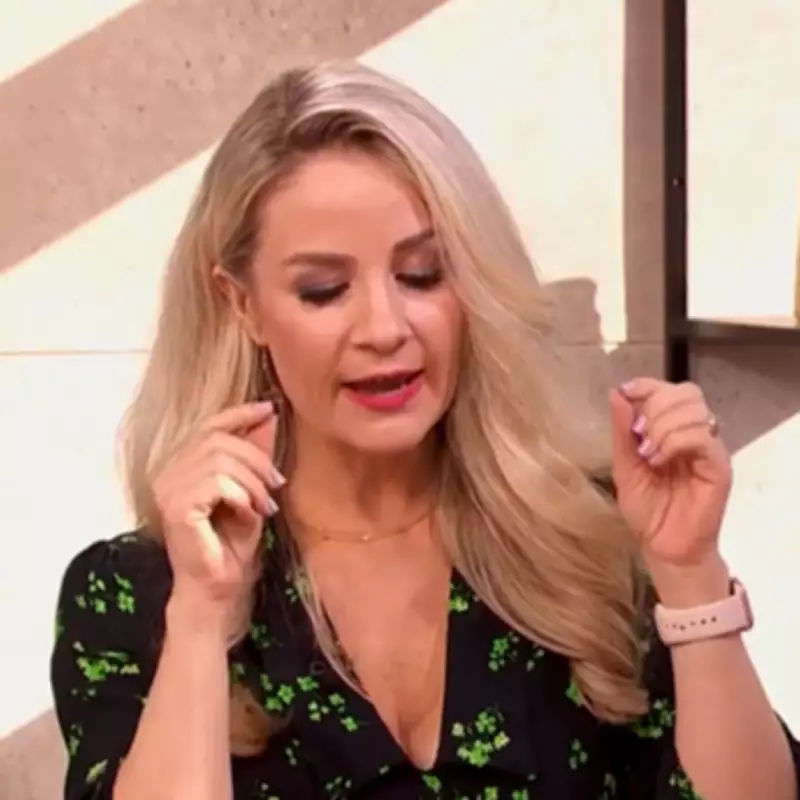
Consumer champion Holly Hamilton has issued a stark new warning to anyone paying in cash for work done by tradespeople, emphasising that it is "not your responsibility" if they evade taxes, but you risk major financial losses if things go wrong. Appearing on BBC Morning Live, Hamilton explained that the declining use of cash, with some shops refusing notes and coins, heightens risks for consumers who lack a paper trail of evidence.
Rising Concerns as Cash Acceptance Falls
Use of cash is reportedly falling, with around 14% of small businesses surveyed by ATM network Link having stopped accepting cash in the past year. This shift towards electronic payments has sparked fears that vulnerable groups could be excluded, technical failures might have a bigger impact, and households could struggle to budget properly—one method of avoiding debt being to withdraw cash and spend only that.
MPs on the influential Treasury Committee last year warned of a lack of data on cash acceptance and suggested the government should be ready to force shops and services to accept cash to protect vulnerable people. Against this backdrop, Hamilton highlighted specific dangers for those paying cash for services like home repairs or renovations.

Why Cash Payments Pose a Red Flag
Hamilton stated, "You do have to ask the question, if someone is coming into your home and insisting on you paying in cash, that to me is a little bit of a red flag. Why are they doing that? A lot of people will be wanting to cut corners when it comes to paying their tax. Not everybody clearly, but there will be some who will have it at the back of their mind."
She clarified that while it is not the consumer's responsibility if a tradesperson avoids taxes, the aftermath can be devastating. "If you have a service, somebody's doing something in your home and you're not happy with it and you would like to get your money back, it is very, very difficult to get that back if you have paid in cash," she explained.
Legal Protections and the Cash Problem
Hamilton noted that for small projects, cash might be useful for tradespeople to buy materials or pay staff, and many consumers feel more comfortable with cash due to tech concerns. However, she stressed, "You are protected by law for anything that you purchase that if anything goes wrong you get that money back. But the problem then is when you pay in cash. Those protections that exist for a very good reason are much harder to enforce."
Legally, the Consumer Rights Act applies regardless of payment method, entitling consumers to a refund if work is not done with reasonable care and skill. Yet, Hamilton shared from experience, "My heart sinks when they say they paid in cash. Even when they go down the long road and end up in the small claims court, there are lots of things that these people can do to try to avoid giving you that money back. They can hide their assets. They can declare bankruptcy."
In contrast, payments by credit card offer protection under Section 75 of the Consumer Credit Act, allowing consumers to claim refunds directly from their card provider. Hamilton cited Citizens Advice data showing over 700 complaints per week last year about problems with rogue traders, underscoring the need for robust safeguards.
Two Essential Ways to Protect Yourself
If paying in cash is unavoidable, Hamilton advised two crucial steps to minimise risk:
- Obtain an Invoice: Ensure it includes the date, a 10-digit tax reference number (a red flag if absent), company name and address, contact information, customer details, a clear description of services, dates of service and invoice, VAT amount if applicable, and total owed.
- Get a Receipt: Always request a receipt, especially for big purchases, with details like the date, amount, and description of what was paid for, as it can be crucial in recovering money.
Hamilton concluded, "Honestly, when it comes to trying to get this money back, the receipt could be absolutely crucial." This warning comes amid broader concerns about cash usage and consumer vulnerability in an increasingly digital economy.