Australian Family's 18-Year Dumpster Diving Journey for Free Groceries
A Brisbane family has revealed their extraordinary lifestyle choice of sourcing all their groceries through dumpster diving, claiming they haven't paid for "brand new" food items in nearly two decades. The unconventional practice has sparked widespread discussion about food waste, environmental responsibility, and supermarket policies regarding surplus products.
The Dumpster Diving Lifestyle
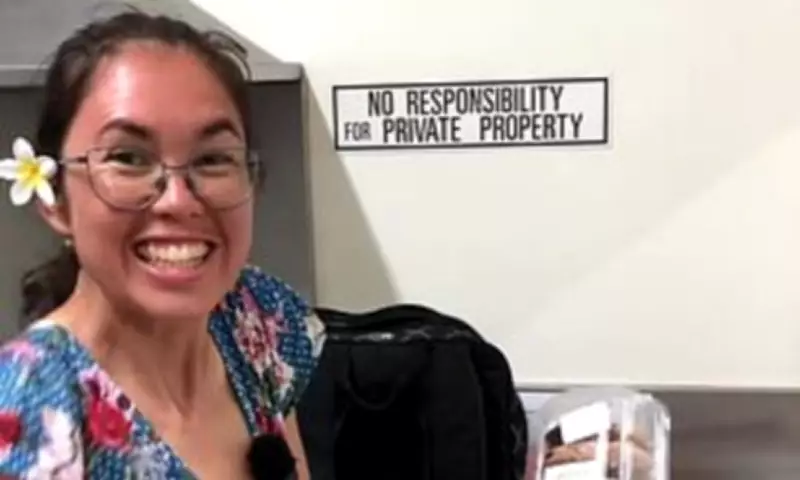
Emelie Watson, a mother-of-two from Brisbane, documented her dumpster diving expedition in a TikTok video earlier this year that captured her foraging through supermarket skip bins in store loading zones. In the footage, she expressed her hopes of finding specific items like wholemeal bread, rye bread, fresh fruit, and bags of beans.
The video revealed astonishing quantities of discarded food, including unopened bags of hot cross buns, sliced bread, chocolate chip muffins, naan bread, and chicken tenders—all apparently in perfect condition. Once home, Watson demonstrated how she washed and prepared a complete meal of crumbed chicken, salad, and coleslaw for her family, declaring it "yum" as she took her first bite.

Public Reaction and Supermarket Perspectives
The video prompted strong reactions from Australians across social media platforms. One supermarket employee commented: "As someone who works at a supermarket... I don't know how you did this because I gag every single time I need to do the bins and chuck the food. It smells so bad. By the way 90 percent of the food/items you see in dumpsters are either SPOILED or there's something wrong with it."
The employee further explained that salvageable food typically goes to charity partners through channels inaccessible to the general public. However, other viewers praised Watson's efforts, with one sharing: "I was in the supermarket last night and a woman was throwing food out. It was in perfectly good condition so I asked if I could have it and she said I had to either buy it at full price or not at all. So so sad and such waste, good on you!"
The 'Living More with Less' Philosophy
In a separate video, Emelie's husband Jon Watson revealed the family began their dumpster diving journey in 2008 as part of their "Living More with Less" project. He emphasized their mindful approach to the practice, acknowledging that some people rely on dumpster diving for survival rather than choice.
"We remain conscious of how much food we take from the bins because some people have no other choice but to dumpster dive," Jon explained. "We don't want to take this lightly and make it a problem for them by getting locks on the bins. If you're thinking about going, please be respectful and try to leave the space better than you found it."
Safety Considerations and Charitable Alternatives
The Watsons openly acknowledge the potential risks associated with consuming discarded food. "We recognize the food is not necessarily safe to eat and we cannot blame the stores if anyone gets sick," Jon stated. He suggested concerned Australians consider supporting food relief organizations instead.
According to Jon, supermarkets generally donate excess food to charities, with one major chain claiming 93 percent of their stores donate at least five days weekly. "If we want to close that gap and reduce waste further, it's really helpful if we can volunteer or donate to Oz Harvest, Food Bank, or Second Bite," he recommended, noting these organizations specialize in redistributing food to people in need.
The family's 18-year dumpster diving journey highlights broader issues of food waste management, environmental sustainability, and the ethical distribution of surplus supermarket products in Australia.