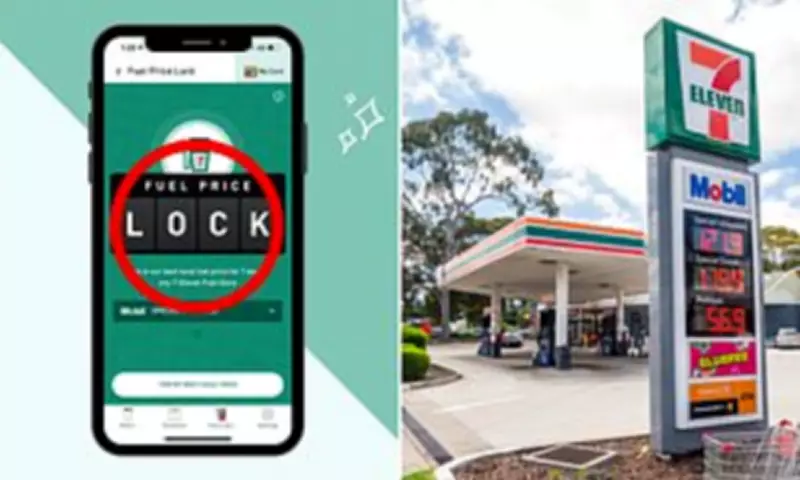
Australian drivers have expressed outrage at 7-Eleven after its popular price lock feature suddenly became unavailable on the My 7-Eleven mobile application, coinciding with a sharp surge in petrol prices across the nation. Numerous motorists reported that the feature, which allows customers to lock in fuel prices for up to seven days and save up to 25 cents per litre, disappeared from the app precisely when they needed it most this week.
Customer Outcry Over Missing Discounts
Several Australians took to social media to voice their frustrations, with one driver labelling the situation an "absolute f***ing joke." They explained, "Literally tried to fuel lock yesterday at $1.99 and it wouldn't work. Gone to do it now and it's $2.09." Another user shared a similar experience, stating, "I locked in fuel at a great discount on the My 7-Eleven app a few days ago and was planning to use it tomorrow morning. I just went to check fuel prices in the app and my price lock has disappeared."
Many customers felt the timing was suspicious, with one noting, "It's almost as though everything has been wiped from my account right as fuel prices are skyrocketing." On Facebook, another asked, "Anyone having a problem with having their fuel locks scrubbed in under a week?" highlighting concerns over the reliability of the digital discount system during an economic squeeze.

7-Eleven's Response to the Controversy
In response to these complaints, a 7-Eleven spokesman told the Daily Mail that the company was not aware of any widespread issues affecting the fuel price lock feature. The spokesman confirmed, "We can confirm there are no widespread issues affecting the fuel price lock feature in the My 7-Eleven app. The app continues to operate as intended, allowing customers to lock in their best local fuel price for seven days. This feature has remained consistent since the app launched."
However, the spokesman acknowledged that isolated technical problems can occur with digital products. "As with any digital product, some customers may occasionally experience isolated technical issues," they said. "We encourage anyone encountering difficulties to contact our customer service team so we can assist promptly." This statement suggests that while the company denies systemic failures, it recognises potential one-off glitches that could disadvantage individual users.
Broader Context of the Fuel and Cost Crisis
The disappearance of the price lock feature comes amid a severe escalation in fuel prices, adding financial pressure to households already grappling with rising living costs. In some petrol stations across Melbourne and Sydney, diesel prices have already soared to over $3 per litre. Alarmingly, the federal government has refused to rule out the possibility of petrol and diesel prices reaching $4 per litre in the near future.
To compound matters, the fuel crisis is expected to trigger imminent increases in food prices, according to insights from farming and transport industries. Dairy products are anticipated to be among the first items to see significant price hikes, followed by fresh produce. National Farmers' Federation president Hamish McIntyre warned, "We estimate in a matter of weeks we'll start to see the costs flow through to the consumer on supermarket shelves. It starts with dairy, then our fruit and veg, and in any of our intensive animal industries too."
This situation raises important questions about the accountability of fuel applications when technical glitches result in substantial financial losses for consumers. As petrol prices continue to climb, the reliability of digital tools like price lock features becomes increasingly critical for budget-conscious drivers seeking to mitigate the impact of volatile market conditions.