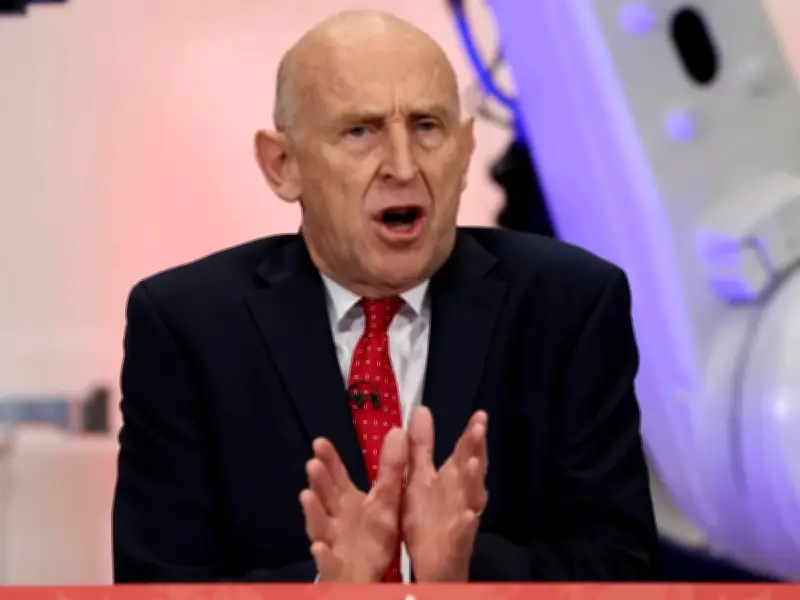
More than 60% of voters want the mega-rich to face higher taxes, alongside windfall taxes on banks and energy firms, Chancellor John Healey has been told.
Polling carried out ahead of the Chancellor's first Budget on October 28 found 63% want increased taxes on people with over £10million in assets to fund Andy Burnham's priorities. The survey also found 61% back windfall taxes on bank profits, as well as 62% for energy companies.
Campaigners estimate £36bn could be raised
Campaigners estimate the measures would raise a combined £36billion a year. A wealth tax alone would raise more than enough to pay for Mr Burnham's proposed National Care Service to finally tackle the UK's care crisis, they say.
The polling, of over 2,000 adults by Survation for Tax Justice UK, shows 71% think the government prioritises the interests of corporations and big business.
Pressure on the Chancellor
Julia Davies of campaign group Patriotic Millionaires UK - whose supporters including Gary Lineker have demanded more taxes for the rich - said: "I don't know how much more evidence there needs to be for the government to accept that there's no tax change the British public want more than taxing the super-rich."
Faiza Shaheen, executive director at Tax Justice UK, said: "Andy Burnham and John Healey cannot afford to miss the open goal in front of them to tax the super-rich and the profiteering banks and energy companies help to sort out the urgent affordability crisis gripping the country."
The groups say that equalising capital gains tax with income tax and closing loopholes would raise £12billion a year. This would help fund 90,000 social homes, they say.
A 2% annual wealth tax on those with assets worth over £10million would raise around £24billion, the groups estimate. This is more than the roughly £18.5billion cost of the National Care Service Mr Burnham wants to create, they said.
Healey heads to IMF meetings
It comes as Mr Healey prepares to travel to Bangkok for the International Monetary Fund (IMF) annual meetings. He will argue that the UK and its allies must work together to limit the damage caused by conflicts such as the war in Iran.
He said: "The consequences of conflict in the Middle East and Europe are hitting countries worldwide, leading to higher prices at the pumps and more expensive mortgages at home, but Britain and our allies can face up to these challenges together."