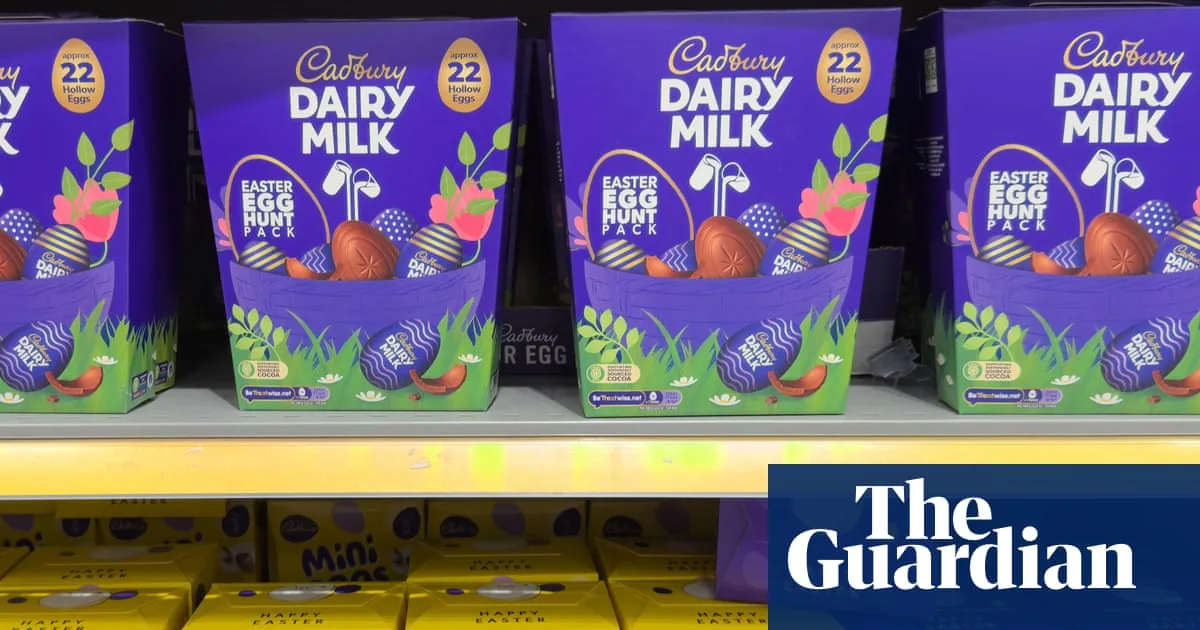
Consumer Counts 304 Mini Eggs in £16 Cadbury Bag Amid Shrinkflation Row
304 Mini Eggs Found in £16 Cadbury Bag as Shrinkflation Bites

A chocolate enthusiast has conducted a revealing experiment to determine exactly how many Cadbury Mini Eggs are contained within a £16, 1kg bag, amid growing public frustration over shrinkflation and rising costs of festive treats.

The Shrinkflation Controversy

Over recent years, the price of chocolate has steadily increased, with many consumers noting that Easter traditions are becoming more expensive. This trend is compounded by shrinkflation, where product sizes are reduced while prices remain unchanged or even rise.

For instance, Cadbury Mini Eggs bags have been reduced from 80g in 2025 to 74g in recent months, representing a 7.5% weight reduction. Despite this decrease, the retail price has held steady at £2, sparking outrage among shoppers who feel they are getting less for their money.

Wide Pickt banner — collaborative shopping lists app for Telegram, phone mockup with grocery list

Angelina's Chocolate Experiment

To investigate the value proposition, consumer Angelina decided to purchase a 1kg bag of Cadbury Mini Eggs, which cost her £16. After opening the packet, she remarked, "To be fair, there are a lot of eggs in there. It is half full though, which is standard in Great Britain."

She then meticulously counted each egg, revealing a total of 304 Mini Eggs in the bag. This calculation means that each individual egg costs approximately 5p, providing a clear breakdown of the product's cost per unit.

Public Reaction and Social Media Buzz

Angelina's video documenting her experiment has gained significant traction online, amassing over 36,000 likes and sparking a lively debate in the comments section.

Many viewers expressed shock at the price:

  • One critic wrote, "£16 for Mini Eggs is crazy."
  • Another commented, "Not worth it."
  • A third added, "That's mad."

However, others defended the cost:

  • One supporter said, "Guys – what do you mean it's expensive? 1kg for £16 is fine. It's chocolate."

Manufacturer's Response to Pricing Concerns

Mondelez International, the parent company of Cadbury, has addressed complaints about Mini Egg pricing, attributing the shrinkflation to escalating production costs. A spokesperson explained that this measure was taken as a last resort to maintain competitiveness.

The spokesperson stated, “As a food producer, we are continuing to experience significantly higher input costs across our supply chain, with ingredients such as cocoa and dairy, which are widely used in our products, costing far more than they have done previously.”

They further elaborated, “Meanwhile, other costs like energy and transport, also remain high. This means that our products continue to be much more expensive to make and while we have absorbed these costs where possible, we still face considerable challenges.”

“As a result of this difficult environment, we have had to make the decision to slightly reduce the weight of our Cadbury Mini Eggs bags (74g) so that we can keep them competitive, and not compromise on the great taste and quality that our consumers enjoy.”

Broader Implications for Consumers

This case highlights a wider issue affecting the confectionery industry and retail sector, where shrinkflation is becoming increasingly common. Consumers are encouraged to scrutinize product sizes and prices more closely to ensure they are receiving fair value.

Angelina's experiment serves as a practical example of how individuals can take matters into their own hands to assess the true cost of everyday items, fostering greater transparency and informed purchasing decisions.

Pickt after-article banner — collaborative shopping lists app with family illustration