A food expert has revealed that a simple and inexpensive gadget could help households save up to £100 each year on their energy bills. Kate Hall, speaking on BBC Morning Live, explained that many people have their fridge freezers set at temperatures that are unnecessarily low, leading to wasted electricity and higher costs.
The Importance of Temperature Monitoring
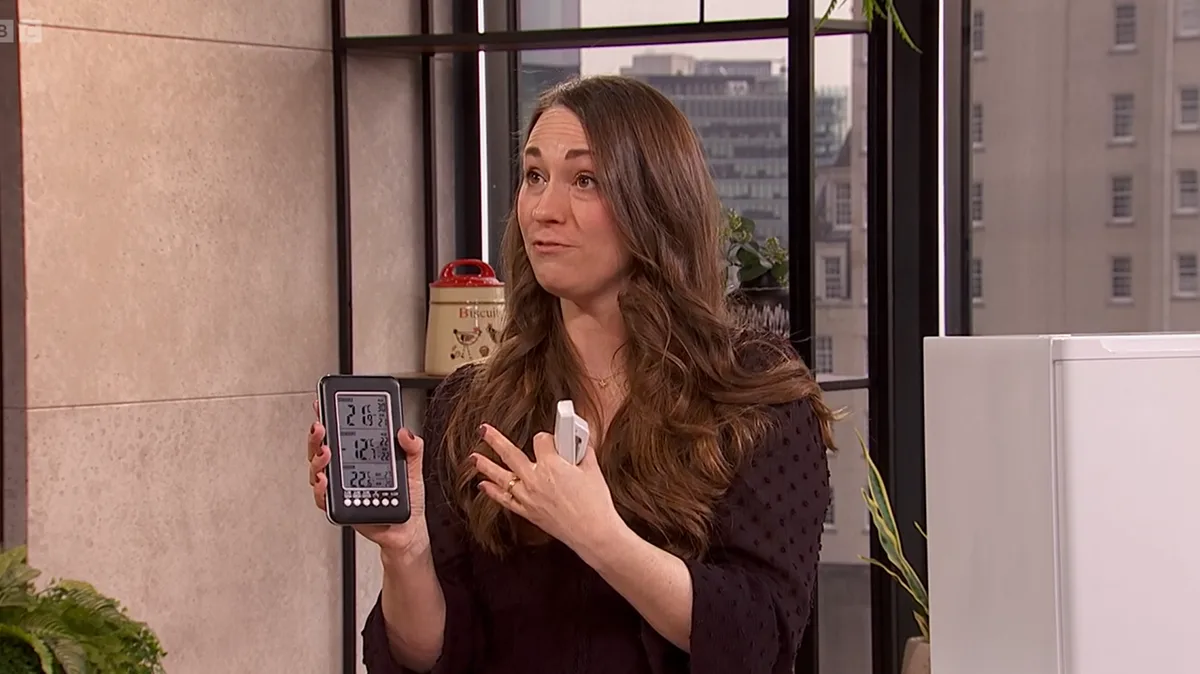
Ms Hall emphasised that built-in fridge thermometers may not always provide accurate readings, making it essential for consumers to take matters into their own hands. She recommended purchasing a standalone freezer thermometer, which can be bought for as little as £3 or £4. These devices remain inside the freezer and display the current temperature, allowing for easy monitoring.
Optimal Freezer Settings
According to the expert, the ideal temperature for a freezer is minus 18 degrees Celsius. If the appliance is running colder than minus 22 degrees, it is consuming excess power without providing any additional benefit to food preservation. "You can adjust it – but minus 18C is fine," Ms Hall stated. She noted that investing in a more advanced thermometer, costing around £10 to £20, could offer greater accuracy and convenience.
Helen Skelton, one of the presenters, highlighted the potential savings, remarking, "Minus 18C could save you over £100 quid each year." Running a fridge freezer typically costs approximately £110 annually, so ensuring it operates at the correct temperature is crucial for efficiency.
Broader Energy-Saving Advice
This guidance aligns with previous recommendations from personal finance guru Martin Lewis, who has also warned that millions are wasting money by setting their appliances too cold. On his ITV show, Mr Lewis reiterated that fridges should be maintained at 5 degrees Celsius and freezers at minus 18 degrees, in line with Food Standards Agency guidelines.
Additional Household Tips
Mr Lewis expanded on other common energy-wasting practices. He pointed out that many people fill baths incorrectly by running hot water and then adding cold to adjust the temperature, which is inefficient. Lowering the hot water temperature to 55 degrees on a combi boiler can lead to significant savings.
Furthermore, he advised homeowners to check their radiators when turning on central heating. Ensuring that radiators in unused rooms are turned off can prevent unnecessary energy consumption. "We all know this, it’s not rocket science. We just don’t all do it," he commented.
Even television usage offers opportunities for savings. With the average household watching four hours daily, switching to a low-energy setting can reduce electricity bills slightly over time.
In summary, small adjustments and affordable gadgets, such as freezer thermometers, can collectively lead to substantial financial benefits for households across the UK.