
The cross-party Work and Pensions Committee has called on the Government to increase Universal Credit for 66-year-olds as a temporary measure to mitigate hardship caused by the rising State Pension age. In a report published today, the committee warns that a growing number of pre-pensioners may have to rely on the £425-a-month standard rate of Universal Credit for longer, despite worsening health, as the State Pension age climbs to 67 by April 2028.
Poverty Risks Double as Pension Age Rises
The committee highlighted that when the State Pension age last increased in 2020, poverty more than doubled among people in the year approaching it, rising from 10% to 24%. This pushed 100,000 individuals below the poverty line. With the current rise adding an extra year, and many pre-pensioners already frail, the impact is expected to be greater. Only 42% of 66-year-olds are in paid work, while 24% of the poorest 60-65-year-old pre-pensioners are working while frail—a condition that research shows deepens health problems.
Cost and Savings of Proposed Change
Giving further support through Universal Credit to 66-year-olds would cost £600 million of the potential £10.5 billion savings made from the rise. While concerns about work incentives were considered, the report states that the "impact on work incentives being outweighed by the imperative to reduce poverty." The committee recommends the Government consult on the change with a view to implementing it by the end of 2026 as a temporary measure, allowing time to develop longer-term support.
Outdated Impact Assessments Criticised
MPs on the committee raised concerns about "poor policymaking," noting that the most recent impact assessments for the State Pension age increase date from 2011 and 2013. No further assessments are planned until after the rise is complete, creating a "significant gap in the Government's understanding" of the impact. The committee added that "an opportunity to inform mitigations has been missed" after the Government failed to act on a previous recommendation to conduct an impact assessment ahead of the rise.
Committee Chair's Statement
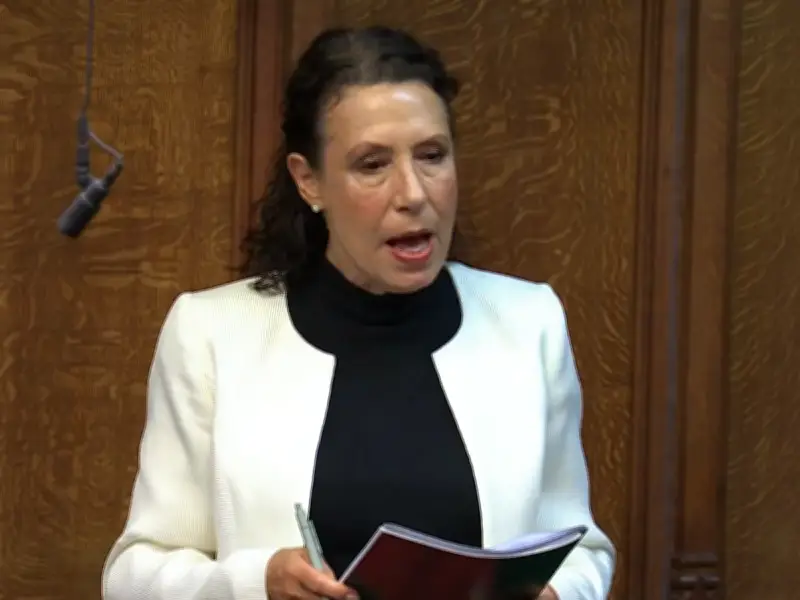
Committee Chair Debbie Abrahams said: "We can’t just allow people who are already struggling as they approach pension age to be forced to choose between continuing work in poor health or prolonging their poverty as they wait for their State Pension to kick in. This is not the later life that anyone wants or to see their loved ones endure after providing for decades. We should recognise that pre-pensioners have greater needs and greater barriers into employment due to ill-health, age discrimination, lack of opportunity to upskill. More than half of people are not in paid work in their mid-60s, and they’re not likely to get it if they’ve been effectively written off. Additional social security payments are essential in reducing the compounding effects of the lottery of life and the state pension age increase. The harm has already been done for some planning retirement if policymakers are using outdated impact assessments in making the changes they are. As a result, we know there will be an impact, but we don’t know how big it will be. But it’s not too late; if the Government takes action quickly those who face poverty because they deplete their savings before reaching pension age can be helped."
Key Statistics on Pre-Pensioner Hardship
- In 2025, 57% of people were out of paid work at age 65; 70% at age 66.
- The number of older workers (50-64) with work-limiting conditions increased by 900,000 (32%) between 2015 and 2024.
- According to the Standard Life Centre for the Future of Retirement, 13% of 65-year-olds had gone without essentials in the last year, compared to 4% of those aged 67; 31% of those in poor health aged 60 to 65 had gone without essentials in the last 12 months.
- Age UK’s January 2026 polling showed a notable increase in the number of 60 to 65 year olds who said they would struggle financially until they reached State Pension age, up from 44% to 54% in the past year.
- Researchers at Edinburgh University found that 24% of the poorest pre-pensioners were working while pre-frail or frail.
- In 2024 to 2025, one in five (20%) of 60 to 64 year-olds were in relative poverty after housing costs, the second highest poverty rate for any adult age group, with only adults aged 16 to 24 having a higher rate (24%).




