The GSK share price has experienced a significant surge, climbing from £14 a year ago to exceed £20 on Wednesday. This notable increase follows the company's announcement of a strong financial performance for the year 2025, marking a pivotal moment for the pharmaceutical firm.
A Long-Awaited Milestone for GSK
It is a remarkable achievement that, a full quarter of a century after the merger of Glaxo Wellcome and SmithKline Beecham formed GSK, the share price has finally returned to its initial post-merger level. The journey has been protracted and challenging, with the company often struggling to meet the high expectations set at its inception.
Historical Challenges and Underperformance
In the early 2000s, GSK's leadership ambitiously aimed to create a "Microsoft of the pharmaceutical world," promising rapid development of new medicines. However, the reality fell short, as the merger was largely defensive, leading to a decade marked by expiring patents, internal conflicts, and unmet promises. The second decade saw slight improvements, but from around 2013, GSK was overshadowed by AstraZeneca, which emerged as a leading science-driven pharma company under Sir Pascal Soriot. Today, AstraZeneca's market value is more than double that of GSK, a stark contrast to predictions made at the turn of the century.

This history of underperformance has fostered deep scepticism among investors regarding GSK's financial commitments. Many have witnessed numerous false starts, making them wary of new assurances from the company.
Signs of a Humble Revival
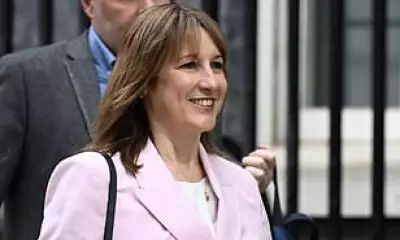
Despite past disappointments, there is a growing perception that GSK is now closer to realising its potential. The share price's acceleration from £14 to £20.80, including a 7% jump on Wednesday, reflects this renewed optimism. Former CEO Emma Walmsley played a crucial role in this shift by making decisive moves, such as demerging the consumer goods division into Haleon in 2022 and reducing an unsustainable dividend to prioritise research and development. She also set an ambitious long-term revenue target of over £40 billion by 2031, exceeding City forecasts, though she faced challenges like US litigation over a historic heartburn drug.
New Leadership and Bold Confidence
The 2025 financial results served as the first major presentation for new CEO Luke Miels, who succeeded Walmsley. A key question was whether Miels would uphold her confident revenue target, especially given analysts' more conservative estimate of £35 billion, factoring in patent expirations for a major HIV drug.
Miels did not hedge or qualify his stance; instead, he expressed full confidence in the £40 billion target and GSK's overall strategy. Drawing inspiration from his mentor Sir Pascal Soriot at AstraZeneca, he emphasised "scientific courage," advocating for agility, backing promising bets sooner, and demonstrating greater market acumen.
The Importance of Bullish Leadership
While such assertive rhetoric primarily generates positive initial impressions, it is particularly valuable in the pharmaceutical industry, where external visibility into research quality is limited. Miels, aware of GSK's corporate history and the risks of overpromising, delivered the robust optimism shareholders sought at this stage. As pharma is inherently a long-term business, it remains early days, but GSK under its new leadership is clearly projecting a healthier and more convincing tone.
This development suggests that GSK may be entering a new phase, often referred to as "take two," where lessons from past missteps are applied to foster sustainable growth and regain investor trust.