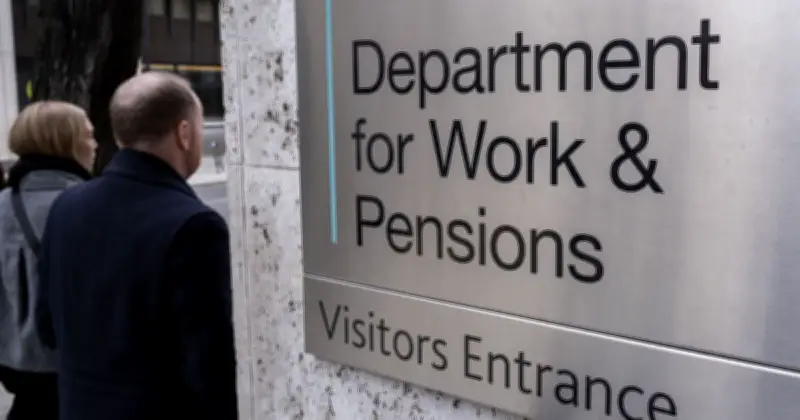
The Department for Work and Pensions (DWP) will stop payments of up to £114.60 per week for Personal Independence Payment (PIP) claimants under a '13 week rule'. Claimants who move from England or Wales to Scotland must inform the DWP and submit a new claim for Adult Disability Payment (ADP) instead.
How PIP payments are structured
PIP is awarded to those with a long-term physical or mental health condition or disability that makes everyday tasks or getting around difficult. The benefit has two parts: a daily living part for help with everyday tasks, and a mobility part for help with getting around. The daily living part is paid at a lower weekly rate of £76.60 and a higher weekly rate of £114.60. The mobility part also has two rates: a lower weekly rate of £30.30 and a higher weekly rate of £80.
Whether a claimant receives one or both parts, and how much, depends on the severity of their condition. PIP is tax-free and unaffected by income or savings, and claimants can receive it even if they are working, have savings, or are getting most other benefits.
The 13-week rule explained
When the DWP approves a PIP claim, the decision letter includes an end date or review period. However, payments may also stop in other circumstances, including moving house. The DWP stated: “If you get PIP and move from England or Wales to Scotland, you must: tell DWP that you have moved; make a new claim for ADP.”
Failure to do this within 13 weeks of moving will result in PIP payments being stopped by the DWP. The DWP added: “Your PIP will stop 13 weeks after you move – apply for ADP as soon as possible after moving or your payments could be affected.” Claimants must also inform the DWP and apply for ADP if they are waiting for the outcome of a PIP application or have challenged a decision about their PIP claim.
Moving in the opposite direction
Similarly, ADP claimants moving from Scotland to England or Wales must inform Social Security Scotland of the move and make a new claim for PIP, otherwise payments could be affected.
Eligibility for the daily living part of PIP includes needing help with basic tasks such as preparing food, washing, dressing, eating, or using the toilet. The mobility part covers needing help with physically moving around or leaving home, and claimants do not need a physical disability — cognitive or mental health conditions like anxiety may also qualify.
The DWP explained how conditions are assessed: “The Department for Work and Pensions (DWP) will assess how difficult you find daily living and mobility tasks. For each task they’ll look at: whether you can do it safely; how long it takes you; whether you need help to do it, from a person or using extra equipment.” To get PIP, claimants must experience difficulty with tasks most of the time, meaning they expect to have difficulty more than half of the days over a 12-month period.
After applying for PIP, claimants may be invited to an assessment with a health professional who will ask how their condition affects daily living and mobility tasks, and any treatments they have had or will have. The DWP will then send a letter confirming whether PIP is awarded, and if eligible, the first award will be between nine months and 10 years, depending on needs.