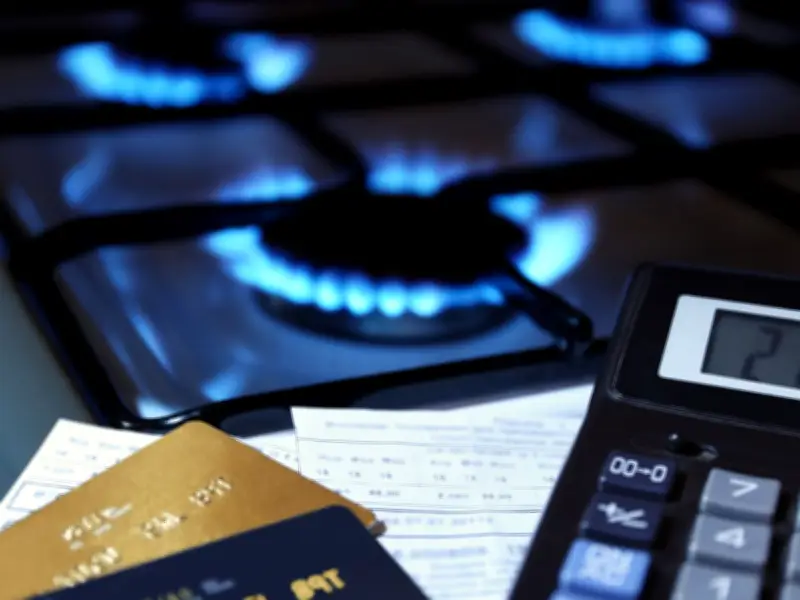
From Wednesday, household energy prices are set to rise by £221 a year, further squeezing household budgets already strained by past spikes following the war in Ukraine and the US-Israeli conflict with Iran. The price cap set by Ofgem will increase by 13 percent, or £18 a month, from July 1, reaching £1,862 annually for a typical dual-fuel household. This latest hike comes after the Middle East conflict sent global energy costs soaring, particularly after Iran blocked the Strait of Hormuz, through which a fifth of the world's oil and gas passes.
Ceasefire Brings Hope for October
Brighter news may come in October as wholesale costs retreat following the US and Iran ceasefire agreement. The interim peace deal has allowed the Strait of Hormuz to reopen, reducing oil and natural gas prices. Analysts at Cornwall Insight now expect the energy price cap to remain relatively stable in October, easing fears of another increase just as households prepare for winter heating.
Ofgem will announce the next quarterly cap level for October to December on or by August 26. This leaves uncertainty over whether the government will introduce targeted energy support for the winter months. Chancellor Rachel Reeves had indicated earlier this year that she would consider support if energy prices remained high. However, with recent political changes following Keir Starmer's resignation, the future of such measures is unclear.
Record Debt Levels
Figures from Ofgem show that debt owed to energy suppliers reached a record £4.79 billion in the three months to March, a five percent increase on the previous quarter and 15 percent higher year-on-year. This reflects the growing struggle many households face in paying their bills.
Call for Market Reform
Nigel Pocklington, chief executive of Good Energy Group, has urged the incoming prime minister to reform the energy market. In a report titled Rewiring the Market: How to Tackle the Hidden Causes of High Energy Bills, Good Energy proposes moving policy costs off energy bills into general taxation, breaking the link between gas and electricity prices, and incentivising clean energy investment through Bank of England loans. Pocklington stated: "Over the past five years, we have witnessed a series of energy shocks due to conflict abroad, proving that our current system is neither fit for purpose nor structured in a fair way for households to pay for their energy. We need to urgently reform the way the market operates to deliver and incentivise a cleaner, more affordable energy system." He added: "The next prime minister must set out a clear plan for how Britain will move away from high gas prices and bring bills down for good."
According to Good Energy, these measures could cut bills by an extra £158 a year. The Department for Energy Security and Net Zero has been approached for comment, but a government spokesperson told The Guardian: "We have taken £150 of costs off energy bills for the years ahead and extended the warm home discount to around 6 million households. We are going further and faster to move on to homegrown energy we control, including taking decisive action to break the influence of gas on electricity prices, to better protect households from energy crises."