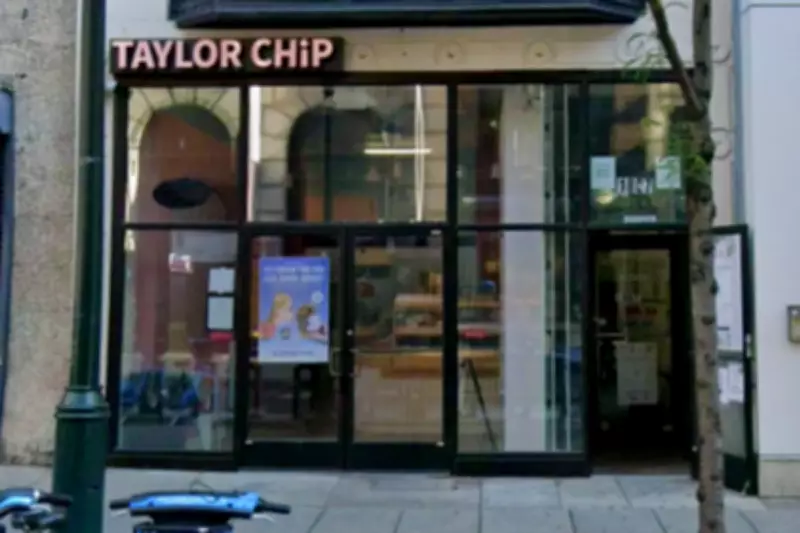
Pennsylvania Cookie Company Taylor Chip Enters Bankruptcy Proceedings
Taylor Chip, a once rapidly expanding Pennsylvania-based cookie company that began with a couple's mission to bake the perfect chocolate chip cookie, is now navigating severe financial difficulties as it undergoes a restructuring process. Newly released bankruptcy documents this week reveal the business is burdened with over $2.5 million in debt while reporting only $400,000 in assets, according to local reports.
From Humble Beginnings to Financial Strain
Founded by Sara and Doug Taylor, the Lancaster County company opened its first location in August 2018 and quickly gained popularity for its oversized, gooey cookies featuring unique flavors such as Lava Cake and Salted Caramel Pretzel. This led customers to frequently compare Taylor Chip to the national phenomenon Crumbl Cookies due to their similar product offerings and appeal.
The company experienced explosive growth, expanding into new markets including Philadelphia, but eventually faced significant challenges. Earlier this month, Taylor Chip announced it would seek protection under Chapter 11 of the U.S. Bankruptcy Code and close its two Philadelphia locations as part of efforts to stabilize operations.

Chapter 11 Restructuring and Store Closures
In a statement, the founders emphasized that Chapter 11 bankruptcy is often misunderstood. "It does not mean we're going away. It means we're restructuring so the business can survive and grow stronger," they stated in a social media post last week. "We had to make the difficult decision to close stores in order to even have the opportunity to build a future. This decision wasn't easy, but it was necessary."
Both Philadelphia locations have now closed, while the Taylor Chip stores in Manheim Township, Gordonville, Hershey, and York, Pennsylvania, will remain open. The owners plan to refocus the company on its roots by prioritizing rural locations, expanding online sales, and developing the brand's future, including its nutrition line.
Debt Breakdown and Contributing Factors
Bankruptcy filings indicate that a substantial portion of the company's liabilities stems from over $1.8 million in loans from the Small Business Administration, including funds received through the Paycheck Protection Program. The SBA is listed as one of Taylor Chip's largest creditors, accounting for more than 70 percent of the reported debt.
The Taylors pointed to significant permitting delays in Philadelphia as a major factor in their financial troubles. What was expected to be approximately a six-month process to open the Philadelphia stores after signing leases in late 2022 stretched into nearly two years. This left the locations unable to generate revenue while expenses continued to accumulate.
Without outside investors, the couple relied on creative financing to stay afloat, but the Philadelphia locations ultimately could not produce enough income to cover the debt created during those extended delays.
Looking Forward with Optimism
Reflecting on their journey, the Taylors shared in a social media post: "Like many businesses in our communities, Taylor Chip started small. No investors. Just a maxed out credit card and a passion for making desserts with better ingredients and a community that was looking for the same thing. As we grew, we took on bigger risks. Some worked. Some didn't. That's part of building a business."
The company's restructuring under Chapter 11 aims to provide a pathway to survival and future growth, with the founders committed to rebuilding their beloved cookie brand from its Pennsylvania foundation.