
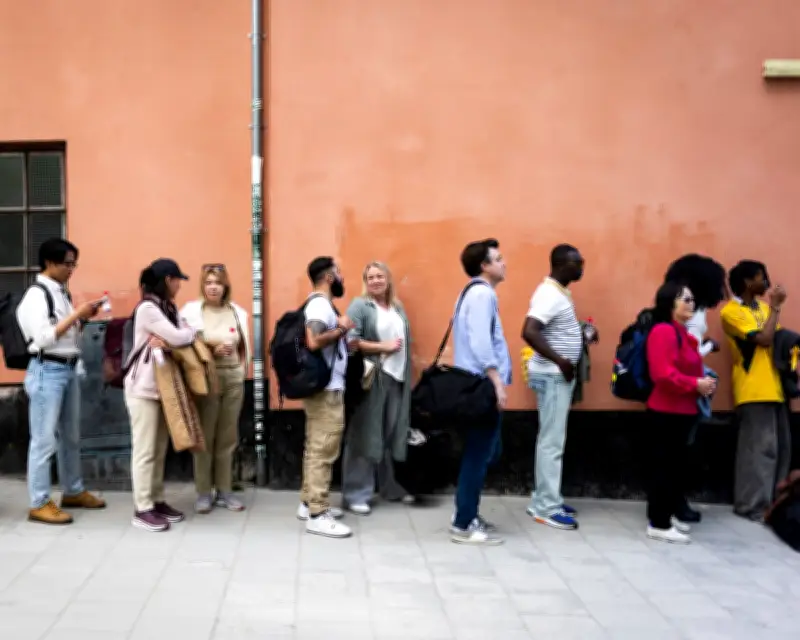
Queueing has evolved from a mundane necessity into a celebrated social phenomenon, with viral bakeries, pizza joints, and even baked potato spots drawing long lines across the UK and US. A New York Times reporter recently queued for an hour for frozen yoghurt, noting the camaraderie among fellow waiters, but admitting the treat was not worth the wait. In York, locals now queue for brunch spots and bakeries, a shift from the past when only tourists queued for attractions like the Jorvik Viking Centre.
The Psychology and Appeal of Queues
Social psychologists studied the phenomenon of the Queen's coffin queue, and the Wimbledon Queue has its own downloadable code of conduct. This stoicism stems from wartime propaganda that encouraged patience during food shortages. Social media amplifies the trend, with influencers promoting scarcity and long lines as features. The New York Times writer pondered whether queues fill a void left by disappearing public spaces and declining neighborly interactions, suggesting they serve as an "IRL bar chart of American loneliness."
Queues as Third Spaces
Some view queues as a rare communal experience. The co-owner of Toad bakery in Camberwell described their queue as a "rare communal thing" that fosters nice interactions. Writer Lauren O'Neill on Substack noted that bakery queues are places to arrange meet-ups with friends. This aligns with a broader trend of "soft socialising," where people engage in low-key activities like admin nights or waiting in line together.
Criticisms and Concerns
However, queues exclude those who cannot stand for long periods. Emma Beddington, in her article, warns that the rebranding of queues as third spaces may echo wartime propaganda, preparing the public for worse times ahead. She points out that Tory government cuts have closed libraries and leisure centres, while queues at GPs, NHS dentists, and A&E wards have grown. In Bristol, people queued from 5am for a new NHS dentist. Beddington argues that patience is not always the appropriate response to systemic failures.
Conclusion
While queueing may offer temporary connection, it also reflects deeper societal issues like loneliness, austerity, and inequality. As queues become longer and more common, the question remains whether they are a genuine community builder or a rehearsal for hardship.




