
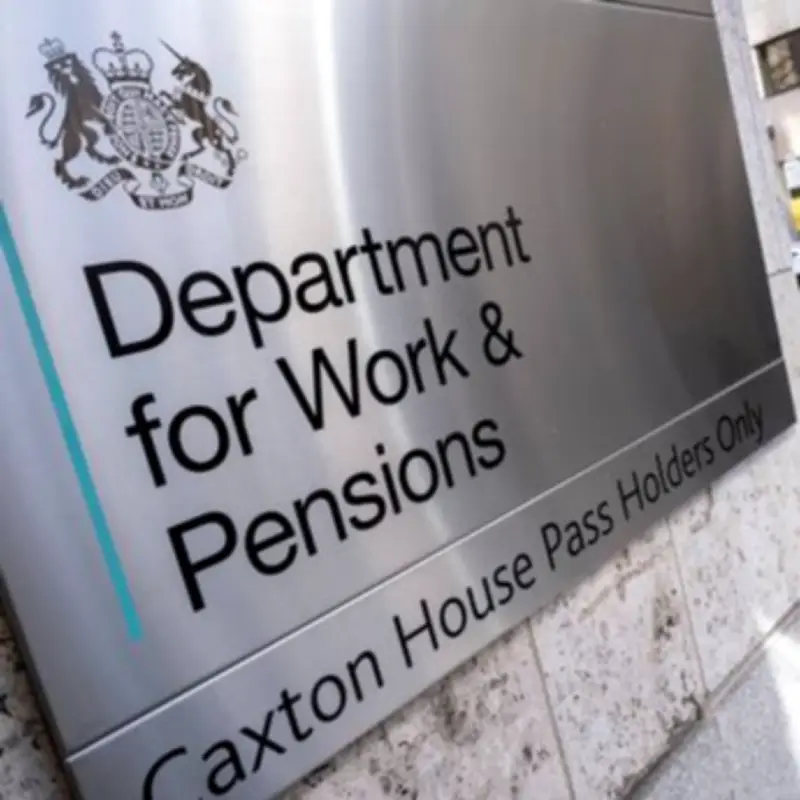
The Department for Work and Pensions (DWP) has issued an update on Personal Independence Payment (PIP), revealing that the number of claimants in England and Wales has surpassed four million for the first time. This milestone comes as the government pushes forward with disability benefit and welfare reform.
Rise in PIP Claimants
According to data released on Tuesday, there were 4.01 million PIP claimants in April 2026, up from 3.74 million a year earlier—an increase of 266,175, or 7%. The number of claimants has roughly doubled since comparable records began in January 2019, when the total stood at 2.05 million.
Demographic Shifts
While more than half of PIP claimants are aged 50 and over, this proportion has steadily declined from 56.4% in January 2019 to 52.2% in April 2026. Teenagers and young adults represent an increasing share, with 16.6% of claimants aged 16-29 in April 2026, up from 14.5% in 2019. The 30-44 age group accounted for 20.9% of claimants, rising from 18.9% in 2019. Conversely, the 45-59 age group fell from 37.3% to 28.9%, while the 60-74 group increased from 29.2% to 31.1%.
Government Reform Efforts
The government stated it is working to overhaul a welfare system that "has trapped people in poverty and kept them out of work for too long." Last year, ministers abandoned proposals to reform disability benefits following backbench Labour opposition. Instead, the Timms Review was established to gather perspectives on PIP and its operation. The DWP stated the review will ensure PIP is "fit and fair for the future." An interim update is expected in the coming months.
New Legislation: Right to Try
In April 2026, the government introduced new legislation enabling disabled claimants to take up work without losing benefits under the Right to Try scheme. This means finding employment will no longer automatically trigger a reassessment for those receiving PIP, employment and support allowance (ESA), and the health element of universal credit (UC) across England, Wales, and Scotland.
Claim Approval Rates
Just over a third (36.6%) of new PIP claims in April 2026 were approved, while 61.4% were rejected and 2.1% were withdrawn. The approval rate has been broadly declining over the past two years, from 40.0% in April 2025 and 46.2% in April 2024.
Downing Street Statement
A Downing Street spokeswoman said: "The broken system we inherited wrote nearly three million people off as too sick to work, left them off benefits, and saw the welfare bill rise by £88 billion over the last parliament. That's why we are reforming the system. Those reforms are already under way, and we will go even further, which also includes increasing face-to-face PIP assessments and tackling backlogs in work capability assessments, which has contributed to £1.9 billion pounds in savings by 2030."
DWP Response
A DWP spokesperson said: "We're fixing the broken system we inherited by creating a welfare state that works for disabled people and taxpayers. We have launched the Timms Review—co-produced with disabled people and their representative organisations—to make sure PIP is fit and fair for the future."
Conservative Response
Shadow work and pensions secretary Helen Whately stated the Conservatives would "review the entire PIP system, remove eligibility for low-level mental health PIP claims, rapidly assess hundreds of thousands of additional claims, and get Britain working again."




