

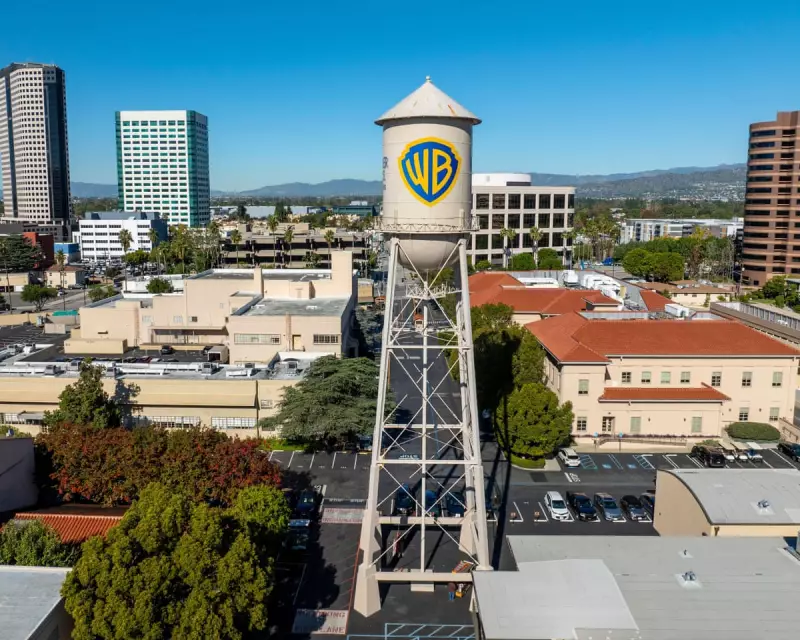
A high-stakes battle for control of Warner Bros Discovery (WBD) is raising profound alarms about the future of American democracy and a free press. A congressional hearing this week laid bare the dangers posed by two competing mega-deals: an $82.7 billion bid from Netflix and a hostile $108 billion takeover offer from Paramount Skydance, led by David Ellison.
Political Pressure and Editorial Capitulation
The hearing underscored that these negotiations are occurring under the unprecedented political pressure of the Trump administration, which is openly accused of weaponising merger reviews. Lawmakers expressed grave concern that this climate is forcing media companies to trade editorial independence for regulatory approval.
This is not theoretical. As it sought approval for its merger, Paramount installed a Trump-nominated ‘bias monitor’ at CBS News, a move condemned by an FCC commissioner as a ‘never-before-seen’ form of government control. The ramifications were swift: a 60 Minutes producer resigned, the CBS News president quit, and Stephen Colbert’s show was cancelled, seen as an offering to the former president.

Now, the same ownership group promises ‘sweeping changes’ at CNN, a network Donald Trump has repeatedly demanded be sold. Placing both CBS News and CNN under the control of owners who have demonstrated a willingness to suppress journalism for political favour represents a direct threat to foundational democratic institutions.
The Netflix Threat: Market Power and Algorithmic Control
While Paramount Skydance threatens through capitulation, Netflix presents a different but equally serious danger through sheer market power and vertical integration. The streaming giant’s bid marks a pivotal moment where Big Tech extends its platform dominance directly into Hollywood and journalism.
Netflix has a troubling history of yielding to political pressure, notably removing content critical of Saudi Arabia while its CEO declared the company was not in the ‘truth to power’ business. This creates a false binary; entertainment, especially satire and documentary, is a vital channel for political discourse and accountability.
Critically, Netflix operates a closed, algorithmic ‘walled garden’. Unlike traditional studios that licensed content, Netflix produces solely for itself, using opaque algorithms to decide what global audiences see. Acquiring WBD would give it control over HBO’s prestige programming and Warner Bros’ vast library, locking culture behind a proprietary paywall and eliminating a major buyer of independent content.
A Historic Crossroads for Antitrust and Free Speech
The United States once understood this danger. In 1948, the Supreme Court forced Hollywood studios to divest theatre chains to prevent excessive control over culture. Today, Netflix combines production and distribution on a global scale yet faces no comparable structural limits.
Both proposed deals would create an unprecedented concentration of power over what stories are told and how Americans understand their world. This consolidation stifles creativity, leads to self-censorship, and reduces consumer choice, as seen in the downturn of theatrical releases post-Disney-Fox and the cancellation of shows like a Latina-led ‘Dora’ reboot after the Paramount-Skydance merger.
The Federal Communications Commission (FCC) and the Department of Justice have the authority and obligation to reject acquisitions that threaten the public interest and likely violate antitrust law. In an era of weakened press freedom and coercive executive pressure, handing such power over speech to these corporate giants is a deal democracy cannot afford.






