
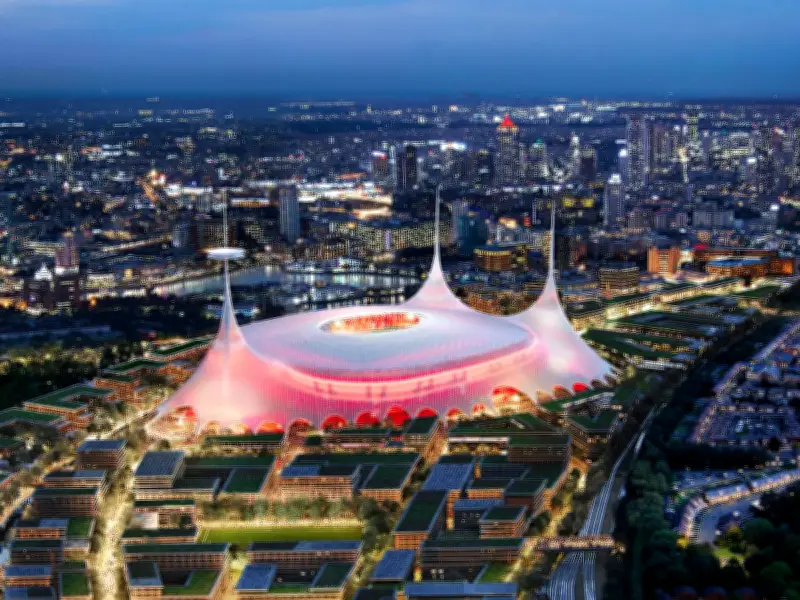
Manchester United have taken another step towards leaving Old Trafford, confirming on Thursday the location of their new 100,000-seater stadium, which will be built 350 metres away from their current ground on land recently purchased from Indurent. The stadium will be at the heart of the Wharfside Strategic Masterplan, a new Stadium District designed for sport, entertainment, and year-round activity.
New Stadium to Host Major Events
United hope to host matches at the Women's World Cup in 2035, but the stadium is expected to be open and active before then. However, the club's primary financial benefit may come from dipping into the entertainment market, a strategy that has proven lucrative for Premier League rivals.
Tottenham Hotspur have become masters of this since opening their new stadium in 2019. This week, the north London venue hosted K-Pop superstars BTS for their first UK concerts in seven years, breaking the stadium's attendance record for a gig on Monday with 65,000 fans. BTS join a series of global superstars, while the NFL and major boxing events like Chris Eubank Jr vs Conor Benn have also been hosted at the venue.
Secondary Income Streams
Spurs have shown they are not limited to summer months for these money-spinning events. On September 4, Jay-Z will perform at the stadium to celebrate his 30-year career, the same weekend Spurs travel to Nottingham Forest in the Premier League. Estimates suggest Tottenham receive between £60m-80m annually from non-football events.
This revenue stream helps explain how Spurs have spent big this summer without Champions League qualification: £100m on Sandro Tonali, £85m on Mateus Fernandes, and a further £52m offered to Brighton for Jan Paul van Hecke.
Revenue Will Fund Team Investment
Collette Roche, CEO of the new stadium development, stated: "What you've got to remember is through building a stadium of 100,000 seats, where it's football first, and we deliver all our matches, but then in and around the matches, we do other stuff. People come, they stay for longer, we'll have other facilities, other experiences. That's going to generate a lot more revenue. The revenue that's going to be generated, where does that go? That'll go back into the club, that goes back into the team, that goes back into growing our football."
In contrast, United have attempted to improve their team without breaking the bank this summer, despite Champions League riches. A £50m deal for Chelsea's Andrey Santos and a £35m move for Atalanta's Ederson have been the extent of their spending so far.
Bridging the Gap
The neglect of Old Trafford has hamstrung United for too long, leaving them lagging behind major European clubs. The new stadium project aims to bridge that gap. However, hurdles remain, including ensuring commercialisation does not detract from the iconic atmosphere—fans will not accept a soulless bowl. But if Roche and United stick to their word, diversifying income streams can only benefit the club.




