
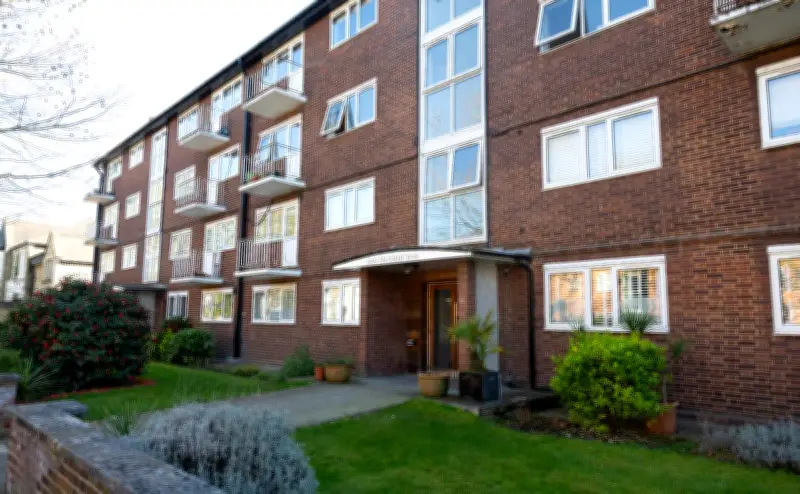
Homelessness minister Alison McGovern has instructed London councils to ensure no one is made homeless when properties are purchased on the open market for use as temporary accommodation. The directive follows an investigation that revealed landlords may be evicting existing tenants to facilitate these deals, potentially making large numbers of people homeless while attempting to house vulnerable families.
Investigation findings
A Local Democracy Reporting Service (LDRS) report last month uncovered that a third of London councils are unaware if evictions are occurring as a direct result of these property sales. Westminster and Enfield are among at least two councils that are aware of evictions taking place to enable their purchases. Both authorities were approached for comment regarding these findings.
Through Freedom of Information (FoI) requests, the investigation revealed that 11 London boroughs did not record whether landlords were evicting tenants to allow their homes to be used for temporary housing. Others, including Enfield, were aware, with two households recorded in 2024 as having been evicted via Section 21 'no fault' eviction notices. These notices are now illegal following the renters' rights legislation implemented on May 1.
Minister's response
In response to the investigation, Ms McGovern said: “Everyone deserves the security of a safe home, and it’s only right that everyone is treated fairly every step of the way. That’s why we expect councils to make sure no one is impacted when homes are being purchased.” She added: “We’re also supporting councils to improve temporary accommodation by helping families move out of B&Bs and into more suitable homes. Backed by £39 billion, we’re delivering a generational boost to social and affordable housing and supporting councils to provide better temporary accommodation, tackling the housing crisis head on and giving people the stability they deserve.”
Impact on tenants
In March, the LDRS revealed that tenants in Kew were being evicted so Westminster City Council could use their homes for temporary accommodation, sparking fury from Richmond Council. Following the investigation, Westminster City Council told some of the residents that they could remain.
Dr Glyn Robbins, an academic and campaigner on housing issues, said the phenomenon of making some people homeless to provide others with somewhere to live is not new. He noted there are at least 100,000 long-term empty homes in London that could be brought into use to help solve the housing crisis. He told the LDRS: “Before making people homeless to house the homeless, politicians and policy makers should develop an urgent, robust policy of bringing empty homes back into use, including emergency requisition of homes that property owners leave empty for extended periods – something that happened in parts of London in the early 1970s.”
Alternative solutions
Dr Robbins also highlighted the potential of empty office space: “In addition to empty homes, London now has millions of square feet of empty office space. This post-Covid legacy is highly unlikely to change. There are some appalling examples of non-residential buildings being converted for housing, but it doesn’t have to be this way. London councils could develop a city-wide strategy for proper and environmentally sensitive use of empty offices for housing.” However, he cautioned that these suggestions require a total rethink of housing policy, with a government prepared to invest.
Rising temporary accommodation numbers
A lack of social homes and an increasing number of people in need means councils are relying more on temporary housing. The number of people living in temporary accommodation has been rising in London since 2011, from 38,805 to 74,858 in 2025, according to Trust for London. Much of this comes in the form of nightly paid accommodation such as hotels, which councils are trying to move away from, hence the focus on buying homes for temporary use.
Mayor's stance
A spokesperson for the Mayor of London said: “The Mayor is clear that all Londoners should have access to a safe, secure and stable home which is why he has welcomed the Renters' Rights Act which will support Londoners to remain in their homes. Supporting renters has been a top priority for the Mayor since taking office. He is delivering 6,000 new rent-controlled homes for key workers as well as helping renters understand and enforce their rights. The Mayor’s Rogue Landlord and Checker has been viewed almost 700,000 times since its launch in 2017, helping Londoners to hold their landlords to account and supporting boroughs to enforce against rogue landlords. The landmark Renters' Rights Act represents the biggest expansion of renters’ protections in a generation and will make a real difference to London’s 2.7 million renters. The Mayor will continue to stand up for renters to ensure we can build a fairer London for everyone.”




