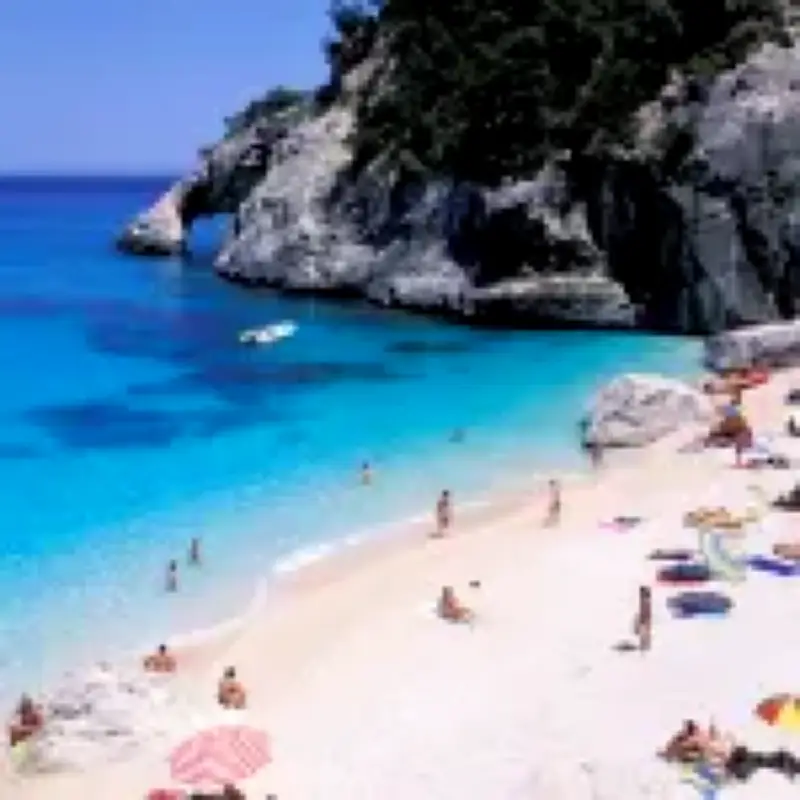
Police in Italy have started patrolling beaches in the early hours, scanning for abandoned towels, chairs and parasols left overnight to reserve prime spots. According to local news outlets, the officers are targeting furbetti dell’ombrellone, or 'umbrella cheats' — people who leave personal belongings on the beach overnight to bag a spot before the crowds arrive the next day.
Anyone found guilty of the offence faces a fine of up to £425. During a recent operation at Laghetto beach in Torre del Greco, near Naples, police removed approximately 40 unattended items, including parasols, chairs and tables. Some of the equipment had reportedly been on the beach for more than two days.
Why leaving belongings on the beach is illegal
Because free beaches are public land in Italy, leaving any kind of equipment overnight can be treated as an authorised occupation. Officers say they want to keep the coastline accessible for everyone.
The impact of overtourism has forced authorities to take drastic measures. A few months ago, it was announced that several beaches would be implementing a booking system, capping the number of people allowed to visit at any one time. From Sardinia to Lampedusa, Italy’s southernmost island, visitors now need to head to their beach of choice’s website and book a spot online. Many provide a QR code to produce on arrival.
Booking systems and capped access
Slots are snapped up fast, so even if there is no requirement to book a specific amount of time in advance (some require 48-hour notice), it is wise to plan ahead. For example, anyone with plans to score an afternoon on La Pelosa beach in Sardinia — famed for its powdery white sand and shallow, Caribbean-like waters — is out of luck. That is because the 1,500-capped beach, which costs €3.50 (£2.99) to enter, is booked out until September 15.
It is believed that these measures may encourage some tourists to visit Italy’s stunning coastline during quieter seasons. Ranked as the top summer destination for 2026, in July alone Italy recorded international arrivals up by 5.1% and foreign overnight stays up by 6.0% compared to the previous year. And when the peak Ferragosto period (which runs from August 1 to 23) comes to a close, there will have been an estimated nine million international visitors.