
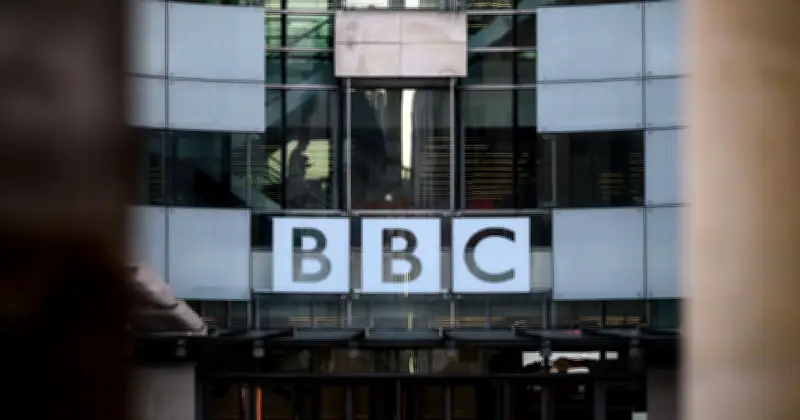
The BBC has been rocked by a startling crisis after it was revealed that over half a million people ditched the licence fee in the past year – marking the biggest collapse in viewer numbers since the COVID-19 pandemic. According to the corporation’s own annual report released on Tuesday (July 14), a staggering 539,000 households stopped paying the £180-a-year fee over the last 12 months.
Financial Turmoil Hits BBC
The alarming drop has plunged the broadcaster into deep financial turmoil, with the total number of fee-payers plummeting to just 23.3 million – down from 23.8 million last year. While the numbers fell by a massive 738,000 at the height of the pandemic, the decline has accelerated again. Between 2024 and 2025, 300,000 fewer people purchased a licence – meaning today's fresh drop pushes the total number of fee-payers to its lowest level since 1999.
Impact on Content and Staff
The financial black hole is already hitting content and staff. In a leaked email sent to BBC staff in June, Matt Brittin warned that drastic savings would result in beloved shows being axed and widespread job cuts. The BBC has admitted that the current funding model is failing, with the report starkly concluding that the £180 charge "remains insufficient to sustain a universal public service".
Government Considers Reforms
The massive exodus comes amid controversial reports that Culture Secretary Lisa Nandy is plotting a major shake-up to force users of Netflix, Disney+ and Amazon Prime to pay the TV licence fee as well. As the rules stand, households do not need a licence fee to watch subscription-based streaming services, provided they don't watch live TV. It is currently only legally required for live broadcasts and free streaming platforms like BBC iPlayer.
However, speaking to a cross-party select committee in Parliament, Ms Nandy confirmed the Government is committed to "retaining the licence fee but reforming it". Under a radical "staggered approach" being considered, households with streaming services could be slapped with a new top-up fee. The Culture Secretary ruled out allowing the BBC to run adverts to plug the funding gap, meaning the burden will likely fall back onto the British public - though insiders stress these are currently just proposals and nothing is yet set in stone.




