
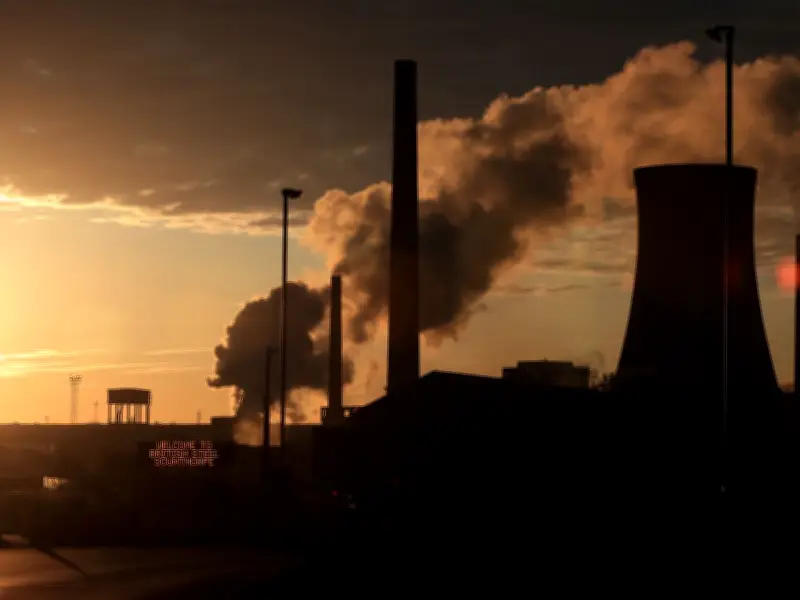
Business and Trade Secretary Peter Kyle has announced that British Steel has been brought into public ownership, a move he says is necessary to protect jobs and boost the economy. The decision, detailed in an opinion piece for The Mirror, marks a significant intervention by the government to safeguard a cornerstone of British industry.
Why Nationalise British Steel?
Kyle emphasised that steel is integral to Britain's history and future, having built railways, factories, and bridges. In towns like Scunthorpe, the industry provides skilled work and community pride. The government faced the risk of losing vital steelmaking capability essential for the economy, supply chains, and critical national infrastructure, including airports, hospitals, and power stations. Kyle stated, 'Sitting back was not an option.'
The government's action is described as an 'activist state' taking bold decisions in the national interest. British Steel employs thousands in good jobs and supports many more in supply chains, making it crucial for maintaining production capability. Without it, the industrial base would be severely weakened, leaving the country overexposed to global shocks.
Stability and Future Plans
The immediate priority is stability: maintaining production, supporting the workforce, and providing leadership and certainty. Kyle acknowledged that steel communities have faced decline, uncertainty, and crisis-driven interventions due to global overcapacity, high operating costs, and underinvestment. The government aims to do things differently through its Steel Strategy, the first of its kind, which includes a long-term plan to rebuild a competitive, modern steel sector.
Backing includes up to £2.5 billion in investment, action on electricity costs, strengthened trade protections against unfair competition, and support for cleaner, greener steelmaking. Public ownership is intended to give British Steel breathing space to stabilise and modernise, allowing collaboration with management, trade unions, and employees on a commercially sustainable, low-carbon future while seeking private investment over the longer term.
Cost of Inaction
Kyle addressed concerns about public money, arguing that the cost of doing nothing would have been far greater: lost jobs, weakened supply chains, damaged communities, and reduced national self-reliance in a material critical for infrastructure, defence, and clean energy. He concluded, 'Steel built Britain’s past. With the right plan, the right investment and the right ambition, British Steel can help build our future too.'




