Cold-weather driving experts at Iceland-based Lotus Car Rental have shared six tips on how to drive safely in low light, sun glare, and slippery road conditions this autumn. The advice includes a vinegar trick to reduce glare on your windscreen.
Expert tips for darker commutes
With the Autumn Equinox behind us and the nights drawing in, UK drivers face darker commutes, heavier rain, and more hazardous road conditions. Alexander Haraldsson, cold driving expert and CEO of Lotus Car Rental, shares the following advice for driving safely in autumnal weather.
First, switch to dipped headlights at dusk. Alexander advises: "Always ensure you’ve switched to dipped headlights as dusk approaches; daytime running lights usually don't illuminate the rear of your vehicle, making you invisible to drivers behind."
"To overtake slow-moving traffic safely at night, keep your headlights dipped until you have passed. Only switch to main beam when safe, so you don't dazzle other road users."
Vinegar trick to reduce glare
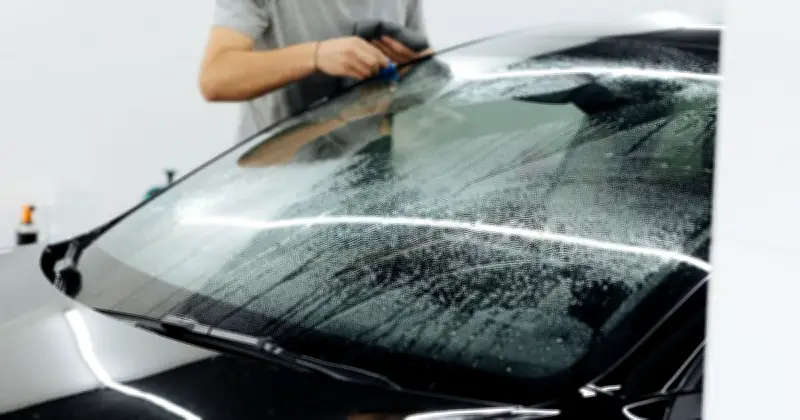
Because the autumn sun sits much lower in the sky, drivers often experience glare during peak morning and evening commuting hours. To lessen this glare, the expert advises cleaning your windscreen thoroughly both inside and out, as any waxy build-up or film will intensify it.
"Using a diluted vinegar solution and a microfibre cloth is a simple, cost-effective way to do this; purchasing both will set you back as little as 95p," he says. Additionally, you can replace any smearing wiper blades, keep a pair of sunglasses in your glovebox, and lower your sun visor early.
De-misting and fog light advice
As temperatures drop and rain increases, vehicle windows mist up rapidly. Alexander says you should always turn on your air conditioning alongside your heaters, as A/C acts as a dehumidifier to clear misted glass in half the time. "Under Rule 229 of the Highway Code, you must clear all glass and mirrors before setting off," he says. "Driving with obscured vision can result in a £1,000 fine and three penalty points."
When visibility is below 100 metres, Alexander says you should use your front and rear fog lights. "Don’t use high beams, as the thick mist reflects the light straight back into your eyes, making visibility worse," he advised. "Turn fog lights off as soon as conditions clear so you don't dazzle drivers behind, and never rely on automatic headlights, as they rarely detect daytime fog."
Handling wet leaves and aquaplaning
Alexander comments: "Wet leaves can be just as treacherous as black ice. Ensure your tyre tread depth is well above the minimum legal limit of 1.6mm, as this is essential for dispersing standing water, leaves and maintaining grip." Reduce your speed, avoid sudden braking and increase your stopping distance by twice as much on wet and leaf-covered surfaces. Additionally, be cautious of covered road markings and potholes.
If you’re driving in heavy rain or puddles and your steering suddenly feels light, Alexander says you should not slam on the brakes or jerk the wheel, as you may lose control of your vehicle. "Ease your foot off the accelerator, keep the steering wheel straight, and allow the tyres to regain grip naturally," he said. "To navigate unavoidable standing water safely, drive slowly in a low gear while keeping engine revs high to stop water from entering the exhaust."