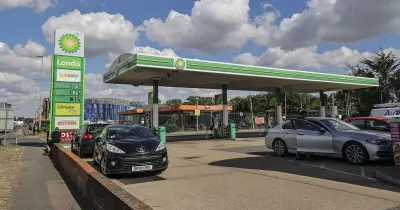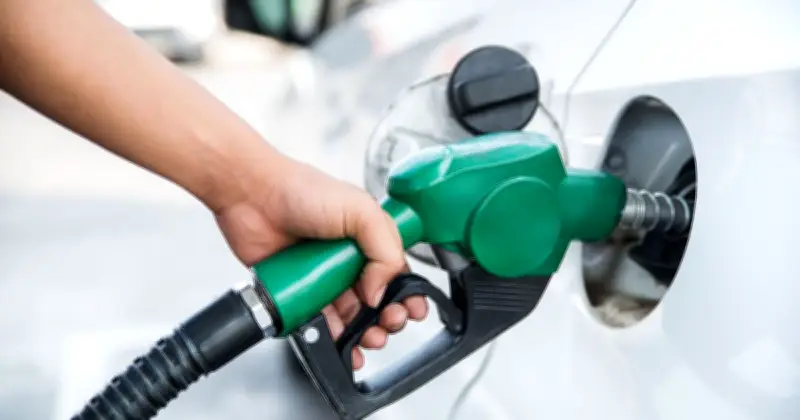
Drivers are being urged to make sure their petrol or diesel tanks are at least half full if the Polar Vortex does bring a flurry of freezing conditions and snow as it could this winter. British Gas has issued a slate of advice to households and to drivers to help them prepare for cold and snowy weather.
El Niño and the Polar Vortex
It’s relevant this winter, as weather experts have set out how El Niño could have a knock-on effect on the UK, bringing a freezing cold snap, thanks to the resulting Polar Vortex. While it's not yet confirmed, a polar vortex could potentially bring colder weather and even snow to the UK this winter as the El Niño weather phenomenon leads to cooler conditions, according to climate experts.
El Niño has been a key driver of hot weather this year, with the warming of the sea surface having a dramatic knock-on effect on global weather systems, creating much warmer-than-average conditions. It is thought to have been one of the reasons behind the UK’s five record-breaking heatwaves this summer.
While nothing is certain yet, the El Niño weather front drives changes in high and low pressure patterns. The strength of a polar vortex - the area of cold air which normally spins over the North and South poles - is vulnerable to disruption from jet streams of air. When disrupted, it can send freezing air, creating a cold snap and snow, into the US and Europe.
British Gas advice for drivers
British Gas, in its advice to drivers, urges motorists to prepare their car for snow by having their brakes, heater, tyres and windscreen wipers checked to make sure they’re in good working order. And it adds that in snowy conditions, you should keep your tank half full.
It says: “Have your brakes, heater, tyres and windscreen wipers checked to make sure they're in good working order before winter. And if you can keep your fuel tank half full during snowy conditions, all the better.”
The theory behind this is that it prevents condensation and fuel line freezing, and you will have plenty of fuel for journeys where you may end up slower than normal due to travel disruption, as well as using fuel to run heaters and lights, so having a tank at least half full reduces the risk of running out in the snow (if you must travel at all).
Met Office and emergency preparedness
In its weather blog published last week, the Met Office said: "Through the latter part of the winter, following a peak in El Niño, the stratospheric polar vortex (SPV) can become weaker, leading to an increased chance of Sudden Stratospheric Warming (SSW) events unfurling, increasing the potential for cold weather. However, significant as El Niño is, it is important to emphasise that it alone does not determine precise weather patterns and other outcomes remain possible."
Even if it doesn't snow, the UK's Prepare website urges households to be well stocked in case of national emergencies anyway, such as extreme weather but also strikes on infrastructure, the breakout of conflict and cyberattacks which could cause disruption and outages.
It says: "Consider what supplies you and your household might need during an emergency lasting a few days, such as a power cut or water outage, or situations where you are advised to stay at home or to leave your home (evacuate) for safety reasons." It includes: "Non-perishable food that doesn’t need cooking, such as ready-to-eat tinned meat, fruit or vegetables (and a tin opener). As with water, how much you need will vary based on your own circumstances. Don’t forget food for pets."