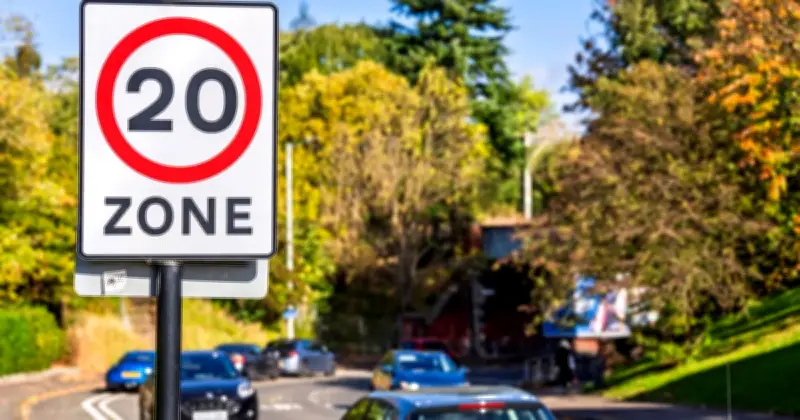
Birmingham is set to become a giant 20mph zone, with all local roads affected under a new plan. Critics say the policy is emotional blackmail that raises millions for the state while imposing an anti-car agenda.
Birmingham's 20mph plan
Local leaders in Birmingham have joined the trend of introducing 20mph speed limits, turning the city into a giant 20mph zone. All local roads will fall under the new speed limit, and the council's strategy is to make driving so difficult that people stop bothering.
The plan states: “Active travel – walking and cycling – will become how most people get around their locality most of the time. Cars will no longer dominate street life around homes and schools. A limit of 20mph will be standard on all local roads.”

London's experience and backlash
London has already seen more than half of its roads under 20mph limits under Labour's Sadiq Khan. The speed limit was blamed for the city topping the list of the world’s slowest capitals, according to mapping technology company TomTom.
Analysis of police figures found a 236% increase in two years in the number of speeding offences in 20mph zones, jumping from 37,219 in 2023 to 125,133 in 2025, according to the Marshall Motor Group.
In Wales, the backlash to the default 20mph speed limit was so strong that the assembly was forced to water it down. A petition against the move was signed by half a million people, and around 10,000 wrote directly to councils asking them to change the limits on local roads. Local businesses reported much longer delivery times, and care workers were given longer travel times, costing employers more. Polling by YouGov a year after the policy was introduced found 72% of Welsh adults remained opposed to it.
Road safety evidence questioned
Supporters insist the speed limit has a dramatic impact on road safety. TfL analysed 100 roads in London for incidents three years before and after the limits were changed. It found collisions and injuries went down by about a third, and child deaths fell from a total of four to one. However, other road safety measures were also implemented in that time, meaning it cannot be sure that the speed limit was the cause.
A Queen's University Belfast study of 76 streets concluded that restricting speed limits to 20mph “doesn’t seem to reduce road traffic collisions, casualties, or driver speed”.
Political responses
Mat MacDonald, Birmingham’s road safety commissioner, said: “Anyone who opposes these measures has to come up with a set of reasons, advantages, and benefits that eclipse the value of the human lives that will be saved by this.”
The Tories have promised to end blanket limits, restoring 30mph in areas where it makes sense. Shadow transport secretary Richard Holden said widespread 20mph use “slows whole towns to a crawl while doing little for real safety”.