We have so many beautiful places in Wales that it can be hard to know where to explore first. Many visitors head for scenic highlights like Eryri National Park, Pembrokeshire, and Pen-y-Fan, but there are corners of Wales that also deserve attention.
The Clwydian Range and Dee Valley: A Hidden Gem
The Clwydian Range and Dee Valley can be overlooked by tourists despite being named one of the most beautiful places in the UK by Consumer magazine Which? The area earned strong praise for its striking scenery and walking routes.
One of only five Areas of Outstanding Natural Beauty in Wales, the Clwydian Range and Dee Valley sits in north east Wales and runs from the coastal slopes above Prestatyn to the wild Berwyn Mountains and the Pontcysyllte Aqueduct and canal further south. It earned an impressive 81% rating from Which members.

The publication's travel expert called it a dream for walkers and cyclists, adding that there is much to explore across its varied terrain.
I have visited this magnificent part of Wales many times, traversing the heather-clad hills of the Clwydian Range and kayaking along waterways in the picturesque town of Llangollen, and I am blown away each time I explore here.
Exploring the Clwydian Range
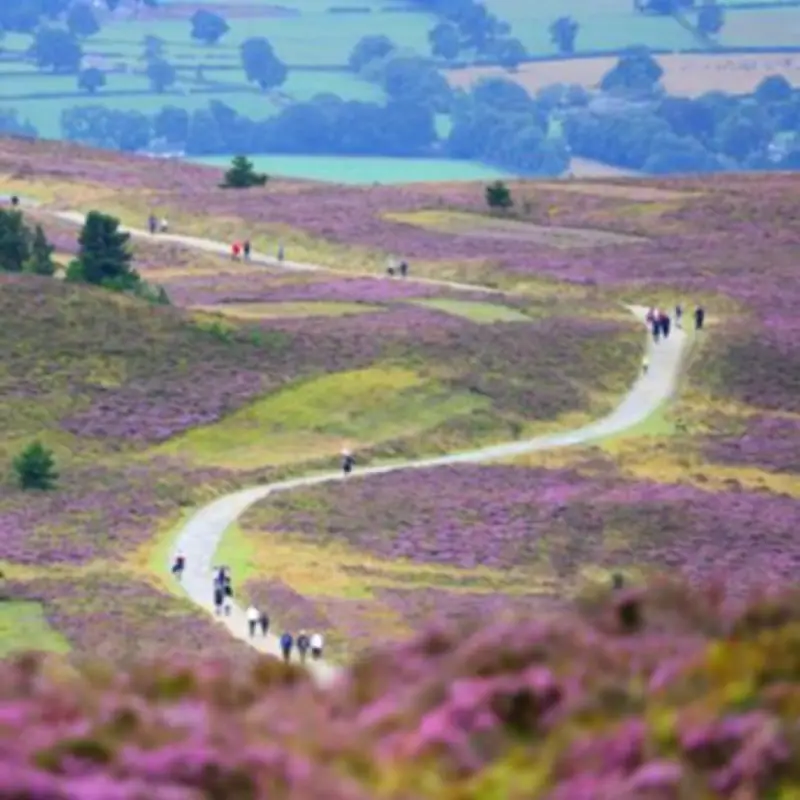
The Clwydian Range is a joy to explore and rises in a ribbon of peaks, swept with purple heather and crowned by some of Britain's most striking hillforts. Its landscape shifts quickly and beautifully, moving from limestone cliffs and open grassland to shady valleys and soft rolling pasture. Two rivers shape the scene here: the Alyn and the Wheeler, each carving deep folds through the hills before slipping out of sight into limestone channels.
The views are wide and surprising, stretching from Eryri to Merseyside and offering a rare sense of how this corner of North Wales sits between rural heartland and the neighbouring English border.
Moel Famau marks the high point at 554 metres, with the chain running from Prestatyn Hillside in the north to the Nant y Garth pass at the edge of the Dee Valley in the south. To the west lies the Vale of Clwyd, while the land falls eastwards towards the gentle beginnings of the Dee Estuary.
One of my favourite walks here is the Moel Famau route, which you can find on hiking apps like Alltrails. It is a steep but not too taxing climb up the highest hill in the Clwydian Range, rewarding you with 360-degree views of great scenery, including Eryri, the Dee Valley, and the coast.
This lovely circular walk through the Moel Famau Country Park starts at Bwlch Penbarra car park and follows the Offa's Dyke Path to the 1,818ft peak. A walking trail to the top of Moel Famau and the ruins of the Jubilee Tower sets off from the car park. The Jubilee Tower was built in 1810 to mark the golden jubilee of King George III, and its ruins can be seen for miles around.
Coed Moel Famau is also an ideal family day out if you are visiting with children, with a range of walking trails of varying lengths. There is also a blue-grade mountain bike trail and children's play areas.
If you want to challenge yourself with a long-distance hike, Offa's Dyke National Trail follows almost the entire length of the ridge crest before heading into the Dee Valley. The 177-mile-long National Trail roughly follows the England-Wales border, running between Sedbury Cliffs near Chepstow and the seaside town of Prestatyn.
Discovering Llangollen and the Dee Valley
Another one of my favourite spots in this area is the delightful town of Llangollen, which combines industrial heritage and Welsh folklore with a cosmopolitan vibe and strong community ties, all set against a scenic riverside backdrop.
This location is home to the narrowest part of the Dee Valley, which carves its way through a landscape acknowledged as a UNESCO World Heritage site. This glorious geographical spot is considered an 'Outstanding Universal Value' by UNESCO and includes an eleven-mile stretch of canal from Gledrid to the Horseshoe Falls, crossing over the remarkable Pontcysyllte Aqueduct.

At 126ft high, the Pontcysyllte Aqueduct in Wales is one of the most astonishing achievements of the Industrial Revolution, where brave visitors can canoe along the world's highest aqueduct. Towering 38 metres over the Dee Valley, the 'stream in the sky' is the highest navigable aqueduct and is the oldest in Britain. It is definitely one for the fearless, with jaw-dropping views of the Welsh countryside.
Designed and built by Thomas Telford and William Jessop, Pontcysyllte is still in use over 200 years after construction began. Elegantly designed engineering features enhance the landscape and carry the canal effortlessly across two deep river valleys and through undulating terrain.
Eighteen arched stone pillars support deep cast-iron troughs filled with water, forming a unique 'River in the Sky' accessible by foot or boat. I have paddled across this sky-high aqueduct on a guided canoe trip with local experts Bearded Men Adventures.
Our trip began with the basics of paddling and how to put them into practice whilst navigating the canals. Each year, the Canal & River Trust welcomes nearly half a million visitors who arrive in droves to admire and photograph the stream in the sky, accessing the canal as walkers, boaters, anglers, cyclists, canoeists, or kayakers.
It is a very busy waterway with loads of traditional canal boats filled with day trippers slowly chugging along this scenic stretch, so you will need to pay close attention and give way to these larger vessels.
The first 11 miles of the Llangollen Canal is an outstanding piece of industrial and engineering heritage comprising embankments, tunnels, viaducts, and aqueducts, including the historic Pontcysyllte Aqueduct and 31 other listed structures.
The entire site is designated a Scheduled Ancient Monument of National Importance and an Area of Outstanding Natural Beauty. As we drifted along in our canoe group, our chatty guide shared insights into the aqueduct's history and sprinkled in local knowledge.
After a few glorious miles of spotting narrow boats, birdlife, and cutesy cottages, it was finally time to cross the 307-metre-long aqueduct just 12 feet (3.7 metres) wide. I will be honest; it was squeaky bum time as we edged closer to the Pontcysyllte Aqueduct. Over 200 years old and not a single railing on the canal side? Just a sheer drop and a sliver of wall between you and a 126-foot plummet. Yikes.
Once we got the nod, we lined up like a polite canoeing conga line and started our slow paddle across. Almost immediately, I clocked that the only thing between me and a dramatic tumble into the Dee Valley was a knee-high wall barely taller than the side of the canoe. Not exactly confidence-inspiring.
If you have even the slightest fear of heights, this dizzying drop will absolutely get your adrenaline pumping. The views from this vantage point are wildly impressive. Honestly, no photo could ever do it justice. You are floating high above this gorgeous Welsh valley, surrounded by greenery and gobsmacking views in every direction.
More Adventures and Dining in Llangollen
If you want more water thrills, embark on a guided rafting adventure with Bearded Men Adventures down the extensive River Dee in Llangollen. Experience the thrill of battling against the surging rapids, which range from grades 2 to 4.
On a raft trip, you will tumble over epic rapids, including Serpent's Tail and Town Falls, bounce through the waves, and surf holes while guides yell instructions like 'back paddle, right turn, left turn, stop, get down,' as you try to remember your left from your right. It is not as easy as it sounds when you are getting splashed in the face with icy water.
Another fun activity in the area is the traditional horse-drawn boat journey from Llangollen's canal wharf towards the Horseshoe Falls. Constructed around 1808 by Thomas Telford, these falls supply water to the Llangollen Canal. Enjoy the serene, tree-lined waters as your boat glides silently, towed by one of the sturdy horses.
In and around Llangollen and the Dee Valley, there are plenty of brilliant places to eat. For dining by the water, The Corn Mill has a large outdoor terrace overlooking the river and serves up pub favourites, including fish and chips, steak, and pies.
The Wharf Tea Room, situated next to the canal, offers homemade cakes, scones, and hearty cooked breakfasts. For a taste of local cuisine, drop by Llangollen Oggie Shop and Fine Foods for Welsh oggies (the Welsh answer to the Cornish pasty). Do not miss their artisan sausage rolls, scotch eggs, cakes, and full-dairy Welsh ice cream.
Gales Wine Bar and Hotel is an excellent spot for a drink or two in its grand wood-panelled wine bar. They also serve a variety of seasonal dishes featuring fresh local produce and delicacies.
For homemade country fare and afternoon tea, make your way to Cottage Tearooms and Bistro. Located in a natural courtyard less than 100 metres from the iconic Llangollen Bridge, these quaint, whitewashed tearooms are a favourite spot for cream tea in a historic setting.
Accommodation and Tips
Accommodation-wise, there are plenty of modern and historic hotels, B&Bs, and even a 16th-century drovers' inn, where you can enjoy a restful night's sleep.
While summer here can be pretty pricey, you can find deals during the off-season if you do your research and check sites like Booking.com, Sykes Cottages, and Groupon. You can find great off-season prices on hotels and cosy self-catering stays.
For a boutique bed-and-breakfast experience near the River Dee, I love the beautifully refurbished Riversdale House; it is one of my favourite stays in the area. Winners of the North Wales Tourism Awards in 2023, this chic Victorian townhouse B&B features spacious, stylish rooms with views and a lush continental breakfast delivered to your door each morning.