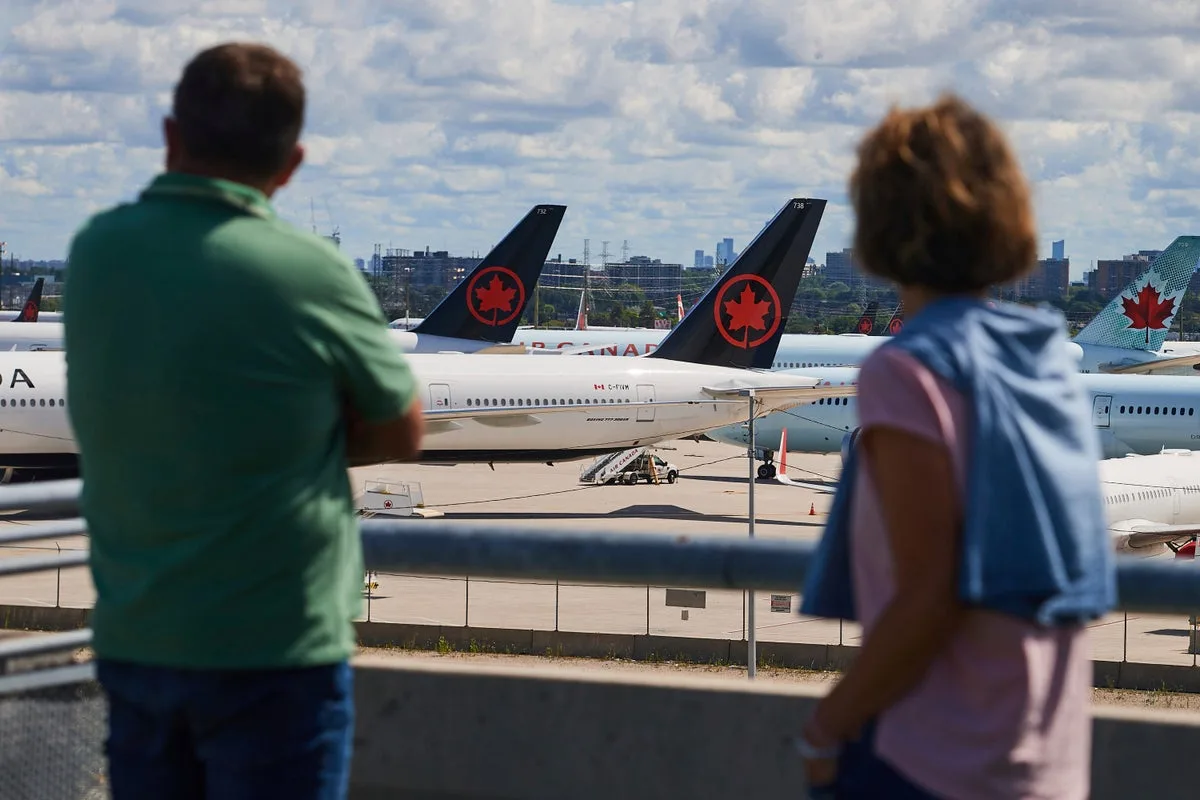
More than 100,000 passengers have been left stranded after some 10,000 Air Canada flight attendants walked off the job on 16 August following months of unsuccessful talks over compensation and working conditions. Travellers reported receiving last-minute cancellation emails, with no one answering phones despite repeated attempts to rebook flights.
A tentative agreement to end the contract dispute has since been reached, and flights are gradually resuming. However, Air Canada has warned it could take up to a week for full operations to return to normal, leaving many passengers stuck abroad or facing lengthy layovers and long queues in crowded airports.
A management professor who is among the stranded travellers has offered research-backed advice for coping with the high-stress situation. The professor notes that the strike combines three powerful stressors: uncertainty, lack of control and crowding, which can overwhelm even the most patient individuals.
Strategies suggested include treating airline staff as partners in a shared challenge rather than opponents, focusing on personal media such as books or music to reduce the sense of crowding, and always showing respect to staff even when frustrated, as this is more likely to result in assistance.
The professor emphasises that while the situation is exhausting and unfair, reacting with anger rarely improves outcomes and can drain resilience. Instead, remaining calm and clear-headed can help make an unbearable situation more manageable.