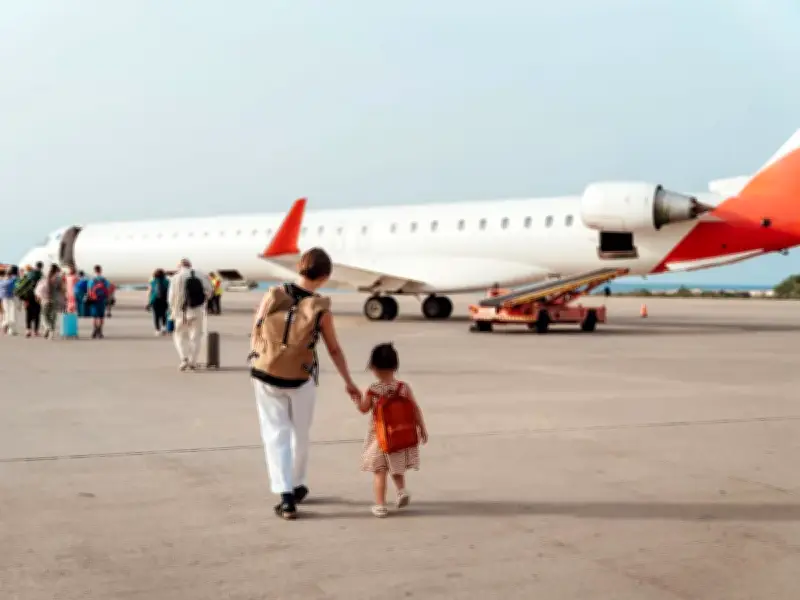
Holidaymakers heading to Europe this summer are being urged to save the European emergency number 112 in their phones before they travel. The free number works across all EU member states and connects callers to the local emergency services, whether police, ambulance, or fire brigade.
Why 112 matters for tourists
Accidents, medical emergencies, and threatening situations can arise without warning, especially in unfamiliar surroundings. For Scots travelling in the EU, knowing who to call can make a significant difference in a crisis. The number is particularly useful for tourists who don't know a country's local emergency contacts or aren't sure which service to ask for when every second counts.
The European Emergency Number Association (EENA) explains that calls are answered by trained operators, who either handle the request or pass it to the most appropriate emergency service, depending on how that country's system is organised.
How the number works
EENA said: "Many countries have multiple emergency numbers. For example, in France, you can call 15 for medical services, 17 for the police, and 18 for the fire service. But in an emergency, it can be hard to remember which number you need to use."
"Visitors to the country may also be unaware of each number. 112 is simple and easy to remember. That’s why 112 became the common European emergency number in 1991."
Tips for calling 112
EENA advises callers to stay calm, make the call themselves if possible, wait for the operator, then share their name, what happened, who is involved, and their location. Typically, the operator will share advice, and you may be asked to call back if anything changes while awaiting the emergency response.
The advice adds that there may be occasions where the operator does not ask for additional information, such as if you're reporting an emergency they are already responding to. "Sometimes several people call 112 reporting the same emergency. In those cases, do not be surprised if the operator only asks you for additional information and ends the call."
"This is normal procedure to avoid repeated information, to free the phone line faster and to ensure a prompt answer to the next emergency call. It is important to know when to dial the emergency number. False calls, whether knowingly or not, divert emergency services from people who need urgent help."
Awareness and impact
A previous survey of over 2,000 people across the UK found that only 14% know that dialling 112 reaches the emergency services, and only 3% recognised it as the EU emergency number. The European Commission created 112 to make it easier for people travelling within the EU to access emergency services.
Previous research by the European Commission shows that the UK is one of three countries in Europe where awareness of 112 is lowest. When asked what 112 is for, over half of people surveyed by the FCO (51%) admitted they did not know, with 12% believing it connected them to directory enquiries. Other definitions offered included 'a brand of perfume or aftershave', 'the number of a bus', or 'a pair of Levi jeans'.
Lynda St Cooke from the FCO’s Know Before You Go campaign said: "Knowing that you can phone 112 can save you time in critical situations. It is an essential number which we would encourage everyone to carry with them when on holiday in Europe, just as they would carry contact details for their hotel or car rental company. With luck you will never have to use it, but being prepared means you don’t have to worry about the local number to call if you or your family find yourselves in an emergency situation."