Folkestone in Kent has been named one of the UK's best seaside towns for 2026 by Time Out. The magazine described it as one of the country's "most exciting seaside, port, harbour and resort towns". The town is only an hour by train from London.
The writer, who usually goes to Brighton, decided to visit Folkestone instead. The Creative Quarter was the first stop, a cobbled district with colourful indie shops, quirky art galleries and trendy eateries such as Pomus, El Cortador and Folklore.
Regeneration brought new life
The quarter is a sign of the town's regeneration, which began in the early to mid-2000s. It was sparked by Sir Roger De Haan's purchase of the harbour and the launch of the Creative Foundation. The philanthropist invested an estimated £100 million into the town.
Sir Roger previously told the Express: "When I grew up in Folkestone as a teenager, there was nothing to do. It was incredibly grim. Now, there's an awful lot for kids to do, for families to do."
Harbour Arm: from ferry terminal to cultural spot
Time Out also highlighted the Harbour Arm, the ferry terminal turned cultural attraction. It is now described as its own neighbourhood, with live music, more than 70 independent food, drink and retail vendors and views across the English Channel.
Originally the railway terminal for the Folkestone-Boulogne Ferry and the departure point for soldiers heading to the Western Front, the Harbour Arm is now a social place. The writer found it charming, with colourful boats dotted along the water.
Seeking quieter shores
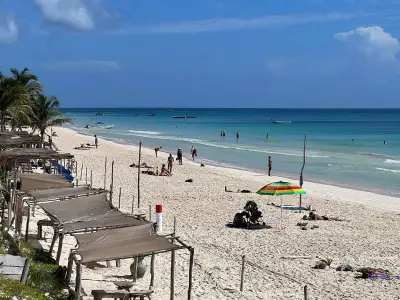
Following Time Out's recommendation, the writer went to Sunny Sands beach. It turned out to be small and packed, with children playing music and kicking a ball. The sand was nice and the views of the cliffs were good, but it was far from relaxing. The swim itself was refreshing.
Looking for a quieter spot, the writer asked AI for advice and was directed to Mermaid Beach. The walk there followed a wooden promenade and ended at the Zig Zag Path, built in 1921 as a tourist attraction and to provide work for unemployed people after World War One. The path's grottoes are man-made, created from waste material and coated in Pulhamite, a special cement named after James Pulham.
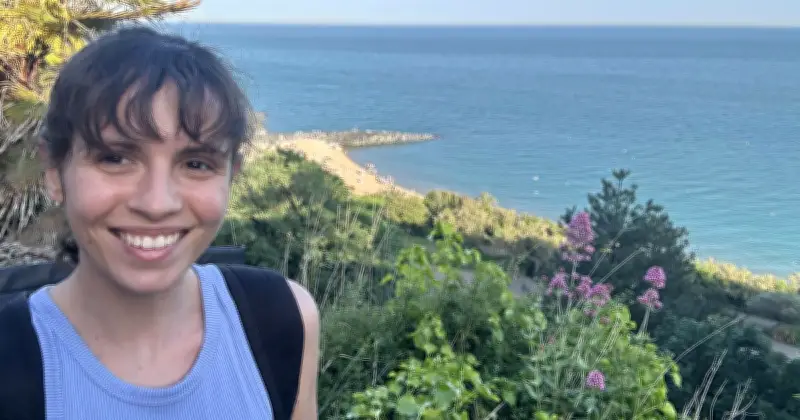
From the top, the view over Mermaid Beach was stunning. The stones stretched into the sea in the shape of a mermaid's tail. The area was quiet, with greenery on the hilltops and an almost empty stretch of pebbly beach. This part of the beach is on the King Charles III England Coast Path, and it was much quieter than Sunny Sands.
An unexpected sight: France
The short trip was beyond pleasant, but one thing was unexpected: seeing the coast of France. The French coastline was clearly visible on the sunny day, which was striking.
Seeing how close France is made the writer think about small boat crossings. It was easier to understand why criminal smuggling gangs continue to exploit the route, persuading vulnerable migrants to make the dangerous journey in overcrowded dinghies. It also brought home the immediate reality of the issue for communities such as Folkestone and others along the Kent coast.
The experience left the impression that geography alone means Britain may not be able to avoid irregular Channel crossings entirely. The more important question is how the country chooses to respond.