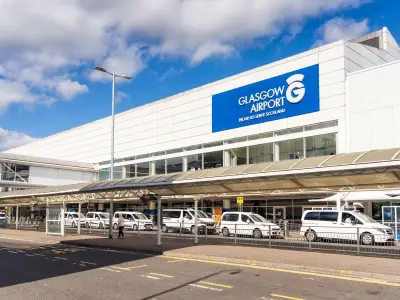
London Gatwick has confirmed that airlines have been advised to monitor fuel availability after a technical problem at its fuel farm caused a shortage. Engineers are working to fix the issue, with a spokesperson saying the airport is "working closely with external suppliers" to resolve it "as quickly as possible" and minimise disruption.
At the time of writing, the airport's arrival and departure boards showed no significant delays or cancellations, and the spokesperson added: "All airlines are operating as normal."
Shortage expected to last two days
An internal memo obtained by The Sun says the shortage is expected to last "for two days." The memo's date is not specified, and it advises pilots to "uplift max possible fuel at outstations." According to a senior source cited by The Sun, an "emergency" notification was also issued to aviation bosses.
Long-haul flights most at risk
The insider warned that long-haul flights are "under the most threat." Pilots refuelling at other airports face weight restrictions, meaning "most flights beyond 2.5 hours will still need extra fuel in Gatwick." The warning came while many long-haul flights were already en route to the UK, so crews were unable to bring extra fuel with them. Disruption could flare from Monday, the source added.
The Gatwick shortage is a separate issue from the jet fuel fears that have hung over the UK for months amid the US-Iran war. Iran responded to deadly attacks in February by closing the Strait of Hormuz, through which one-fifth of the world's oil once flowed and which supplies many European airlines. Global jet fuel prices have since swelled to nearly £290 a gallon, according to the Platts Jet Fuel Price Index.
Fuel is one of the highest operating costs for airlines, and many are passing the burden on to travellers. Flight costs have soared since the war started in February to an average of about £260, according to travel search engine Kayak.