Hawaii Flooding Fury Stuns Meteorologists as Torrential Rains Ravage Honolulu
Hawaii Flooding Fury Stuns Meteorologists in Honolulu

Ferocious Downpour Triggers Severe Flash Flooding in Honolulu

The sheer intensity of the torrential rainfall that caused the latest bout of flooding in Hawaii has left even seasoned meteorologists astonished. Emergency crews commenced damage assessments on Tuesday following a surprise deluge that sent raging floodwaters surging through a residential neighbourhood close to downtown Honolulu. This event represents the most recent episode in a relentless series of storms and inundations that have battered the island state over the preceding fortnight.

Residents Confront Unprecedented Deluge and Widespread Damage

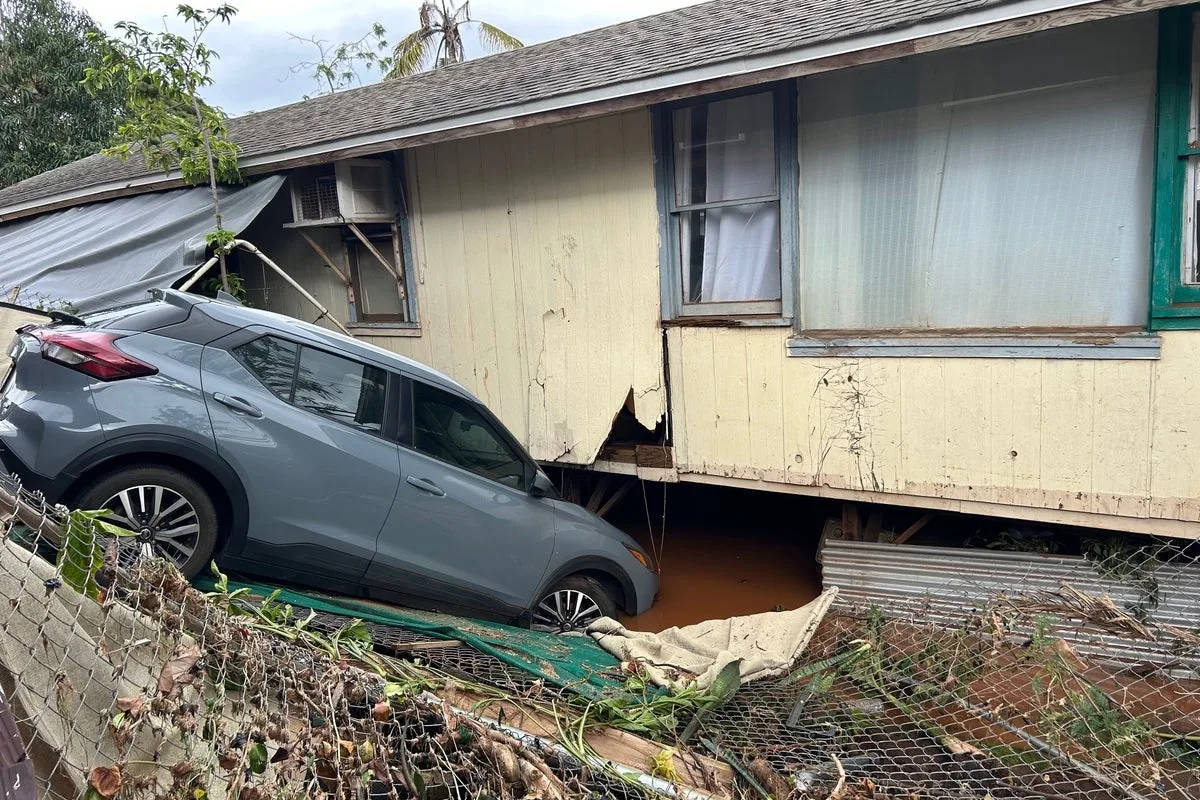
While residents along Oahu's famed North Shore, renowned for its colossal surfing waves, were still engaged in cleanup operations from what was described as the worst flooding to strike Hawaii in two decades, a fresh storm system unleashed several inches of rain on the island's southern region on Monday. In the Manoa Valley, situated merely a few miles east of downtown Honolulu, reddish-brown torrents cascaded along roadways, forcibly displacing parked vehicles and submerging large sections of the community.

"I was utterly shocked to witness the extent of flash flooding in my local area," recounted Manoa resident Andrew Phomsouvanh, who captured video footage of streets transformed into raging rapids. "The water simply kept coming without respite." Another resident, Natalie Aczon, described a harrowing scene after a brief visit to a pharmacy. "People came running out from Longs and one of the guys actually said, 'That's my white car.' And it had elevated," she reported, highlighting the sudden and powerful nature of the floodwaters.

Wide Pickt banner — collaborative shopping lists app for Telegram, phone mockup with grocery list

Meteorological Surprise and the Lingering Kona Low System

The ferocity of Monday's downpour, which delivered between 2 to 4 inches (5 to 10 centimetres) of rainfall per hour, even caught National Weather Service forecasters off guard. Forecaster Cole Evans explained that while meteorologists were aware lingering instability from a potent winter storm system, known as a "Kona low," could produce additional precipitation, their predictive models struggle to accurately gauge residual moisture levels in such systems. "When you think it's over it's not quite over," Evans remarked on Tuesday, noting the highly localised nature of the event where one rain gauge recorded 6 inches (15 centimetres) while the nearby airport received a negligible amount.

Evans indicated the Kona low was moving eastward and should no longer pose a significant threat of similar intense bursts. However, a flash flood warning remained active for eastern Maui. Fortunately, there were no immediate reports of fatalities or serious injuries from Monday's event, but authorities confirmed that hundreds of homes on Oahu's North Shore sustained damage from flooding the previous week. That earlier inundation occurred when heavy rains fell upon soil already saturated from a winter storm, resulting in over 230 rescues, houses being shifted off foundations, and properties coated in thick volcanic mud.

Substantial Economic Toll and Ongoing Recovery Efforts

The cumulative financial impact is staggering. Even prior to Monday's downpour, Governor Josh Green projected the storm's total cost could exceed $1 billion, encompassing damage to critical infrastructure including airports, schools, roads, homes, and a hospital in Kula, Maui. He characterised this as the state's most severe flooding incident since 2004. Furthermore, a survey by agricultural groups reported farm damages exceeding $9.4 million as of Monday.

Molly Pierce, a spokesperson for the Oahu Emergency Management Agency, described the persistent storm system as "extremely unusual" but expressed cautious optimism that the rains were finally subsiding. Recovery efforts are underway, involving volunteers, public workers, and contracted companies tasked with clearing vast debris piles. "Most of us have not seen something that just keeps going like this," Pierce stated. "We feel like we keep getting punched down. But we'll keep getting back up." The community's resilience is being tested as Hawaii navigates the aftermath of these unprecedented weather events.

Pickt after-article banner — collaborative shopping lists app with family illustration