Tropical Cyclone Narelle has been upgraded to a formidable category four system off the northwest coast of Western Australia, posing a severe threat as it barrels toward the mainland. The storm, which could intensify to maximum category five strength, is on track to cross late Friday in the Shark Bay area, potentially impacting coastal communities including Exmouth, Coral Bay, Denham, and Carnarvon.
Destructive Winds and Widespread Damage Feared
Department of Fire and Emergency Services Commissioner Darren Klemm issued a stark warning, stating that a category five cyclone would bring widespread, destructive winds capable of causing significant damage to buildings and homes across the impacted region. The system is expected to weaken to category three before making landfall, but even at that level, it can produce very destructive winds with gusts up to 224km/h. Category five storms are exceptionally dangerous, with wind gusts exceeding 279km/h and the potential for widespread destruction.
Emergency Preparations Underway
Authorities have urged tourists to leave the region, closed major roads, and established evacuation centres in anticipation of Narelle's arrival. Meteorologist James Ashley described Narelle as an unusual and large storm, currently packing winds well over 200km/h. Coastal areas between Exmouth and Shark Bay are bracing for severe wind impacts and heavy rainfall, with some locations potentially receiving more than 200mm of precipitation, leading to flash flooding and significant storm surges.
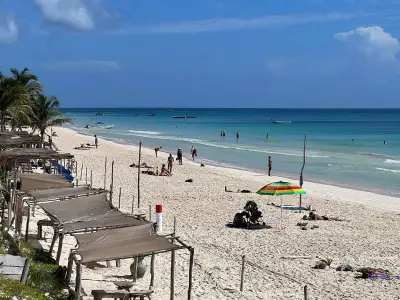
In the tiny holiday town of Denham, located 830km north of Perth on the Peron Peninsula, volunteers have been busy sandbagging ahead of a possible tidal surge. Shark Bay shire president Peter Stubberfield emphasised the community's preparedness, saying, "We're preparing for the worst ... and we're hoping for anything less than that." Similarly, Exmouth tackle shop manager Barry Taylor reported that residents have worked diligently to secure properties, noting the town's traumatic experience with Category Five Tropical Cyclone Vance in 1999, which devastated the area.
Narelle's Epic Journey Across Northern Australia
Cyclone Narelle's path began when it first crossed the coast in Queensland as a category four system last Friday, moving over the Cape York Peninsula. It then tracked into the Northern Territory as a category three by Sunday, causing power outages, flooding, and forcing hundreds to evacuate. After weakening to a tropical low upon entering northern Western Australia on Monday, Narelle has regained strength in the Indian Ocean, heading southwest along the Pilbara coastline.
Currently located about 365km northeast of Exmouth and producing gusts up to 230km/h, the cyclone is set to move southeast after crossing the coast. It is forecast to pass as a tropical low east of Perth on Saturday, bringing showers and thunderstorms, before heading into the Southern Ocean on Sunday.
Ongoing Impacts in the Northern Territory
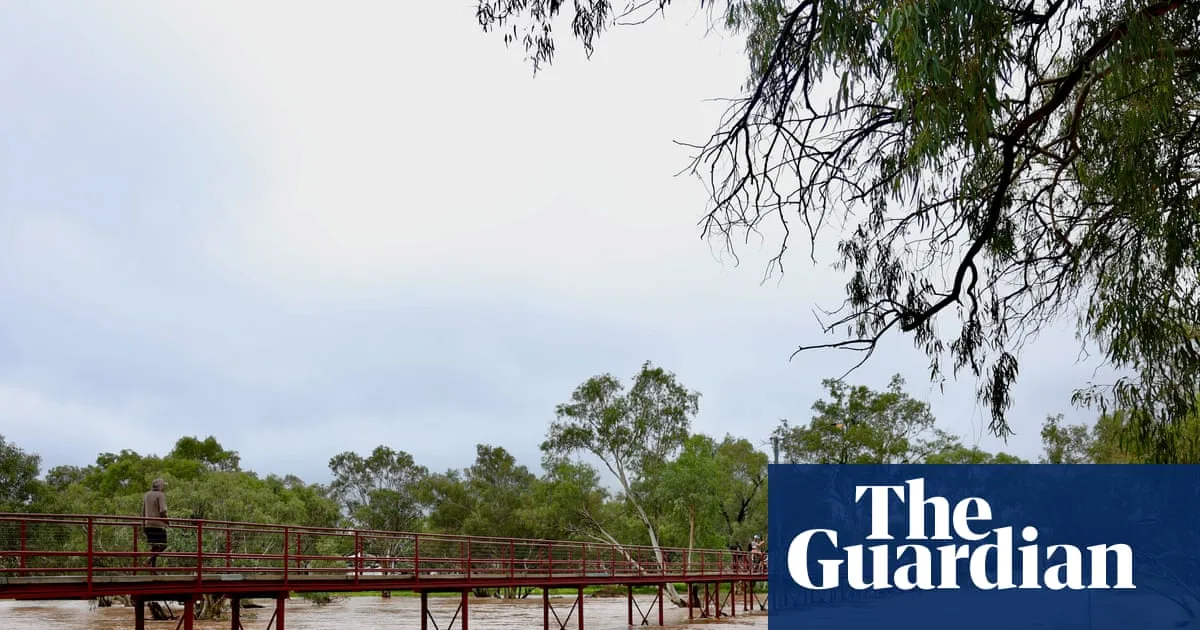
In the NT town of Katherine, some homes have been inundated for the second time in a month due to heavy rainfall from Narelle. Emergency shelters have been prepared for evacuees, and a portable field hospital has been set up after the town's hospital was closed. The Katherine River was expected to peak just above the major flood level of 17.5 metres at the town bridge on Thursday, exacerbating the already dire situation.
Despite being one of the largest cyclones to hit Australia in decades, damage has been somewhat limited as Narelle has struck mostly remote areas. However, large swells and dangerous surf conditions are anticipated along Western Australia's coast, adding to the hazards faced by coastal communities. Residents and authorities remain on high alert as they monitor the storm's progression and brace for its full impact.