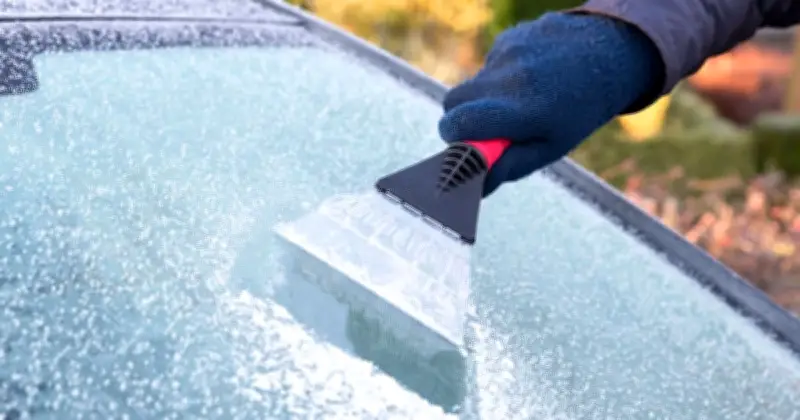
The AA has issued three tips to help drivers prevent windscreens from freezing up during winter. Frost forms when a combination of cold air, radiative cooling, and moisture—either from outside or trapped inside the car—causes the glass to drop to or below 0C, instantly freezing moisture on its surface.
Why Windscreens Freeze
On clear, calm nights, the windscreen loses heat rapidly by radiating infrared energy into the open sky. Because the glass points straight up, it cools much faster than the surrounding air or vertical side windows. Windless, clear nights accelerate frost formation as wind helps mix the air and stops moisture from settling, while clouds trap and reflect heat back down.
The AA's Three Steps
The AA urges drivers to prepare in advance to stop frost from forming in the first place, saving time in the mornings. The AA states: "You can stop a windscreen freezing in the first place with a little forward planning. If you have a garage, use it in winter because it'll stop your car from getting iced-up."
For those without a garage, the AA advises: "If you don't have a garage, park your car on your driveway as close as possible to your home. The heat from your home can help to stop ice forming. Put a shield across your windscreen to stop it getting icy – a piece of cardboard works well for this."
Cardboard Shield and Other Methods
Placing a dry piece of sturdy cardboard over the windscreen overnight can prevent frost from forming on the glass. The cardboard acts as a physical barrier that stops morning dew or moisture from settling and freezing directly onto the windscreen. However, if the cardboard gets wet from rain or heavy melting frost before the temperature drops, it can stick to the windscreen, leaving a paper residue behind.
Other methods include sliding socks over wiper arms or lifting them slightly off the glass so they do not freeze to the windscreen. Some mechanics note that leaving them upright too high can risk the spring snapping them back down. Folding sun visors down when parking also creates a small air pocket that helps trap cabin warmth near the glass and clears frost faster.