Worm Moon 2026: A Spectacular Celestial Event Lights Up the Sky
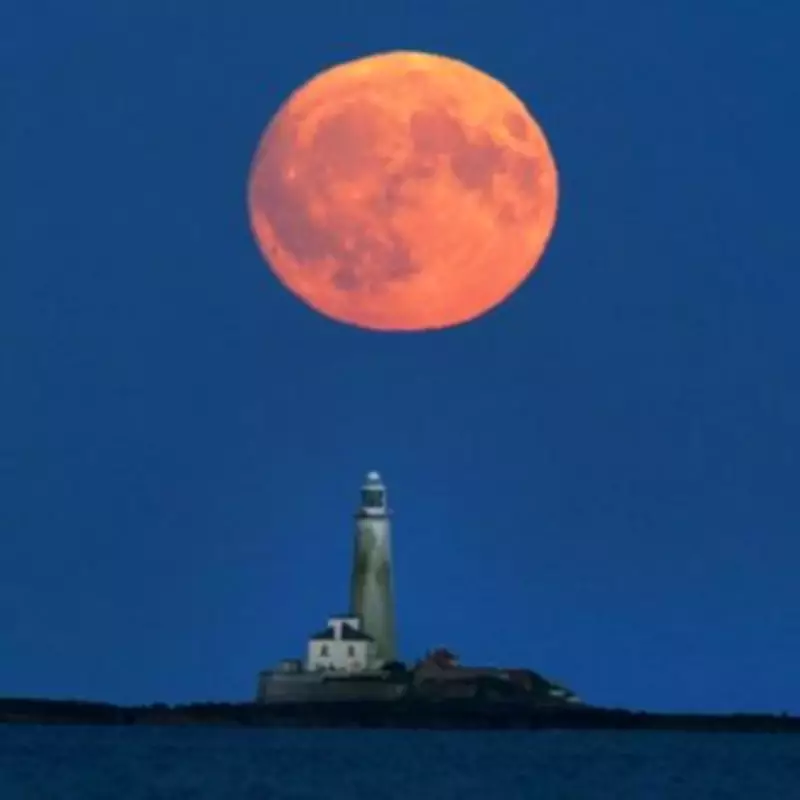
The Worm Moon, marking the third full moon of 2026, is set to illuminate the night sky this week, offering a breathtaking display for astronomy enthusiasts across the United Kingdom. This celestial phenomenon will be most visible on Monday and Tuesday evenings, providing a brilliant showcase as it rises above the horizon.
Timing and Visibility Details for Optimal Viewing
According to astronomical data, the Worm Moon will reach its peak fullness at precisely 11:37 am on Tuesday, March 3, 2026. However, it will appear spectacularly bright and full during the evenings of both Monday, March 2, and Tuesday, March 3. Moonrise times across the UK are scheduled between 5:40 pm and 5:50 pm, offering prime viewing opportunities as the moon ascends in the eastern sky.
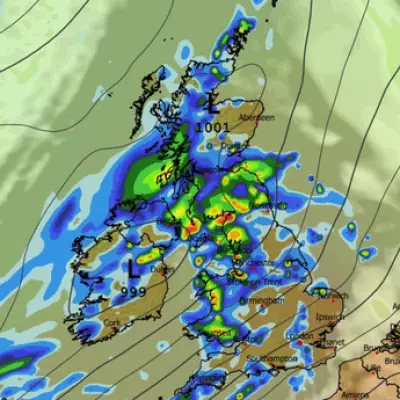
Weather forecasts from the Met Office indicate that cloud cover may affect parts of Wales and northern England on Monday night, but conditions are expected to clear significantly by Tuesday, promising optimal visibility for stargazers. To capture the best views, observers should direct their gaze towards the eastern horizon during the early evening hours.

The Rare Lunar Eclipse and Its Global Visibility
In a rare celestial alignment, the full moon will coincide with a total lunar eclipse, transforming it into a striking 'Blood Moon' as it turns a deep red hue. Unfortunately, this eclipse will not be visible from the United Kingdom. NASA reports that totality will be observable from eastern Asia, Australia, and the Pacific region, where sky watchers will witness the moon's dramatic coloration.
For UK residents, the next opportunity to view a Blood Moon from British soil will occur on August 28, 2026, making this week's Worm Moon a standalone highlight for local astronomy fans.
Origins and Significance of the Worm Moon Name
The Worm Moon derives its unique name from traditional almanacs, which associate March with the arrival of spring. As temperatures rise and the ground thaws, earthworms begin to emerge from the soil, and animals awaken from hibernation, signaling the seasonal transition. The Old Farmer's Almanac explains that this name reflects March "signalling the beginning of spring, when earthworms start to appear in the soil," connecting celestial events to natural cycles.
This full moon serves as a reminder of the interconnectedness between astronomical phenomena and environmental changes, offering both a visual spectacle and a symbolic marker of the changing seasons.