The United Kingdom is poised for a significant warm spell this week, with temperatures forecast to climb to a balmy 18 degrees Celsius as meteorological spring officially commences. According to detailed projections from the Met Office, this surge in warmth could potentially establish Thursday as the hottest day recorded so far in 2026.
Detailed Temperature Forecast for the Week
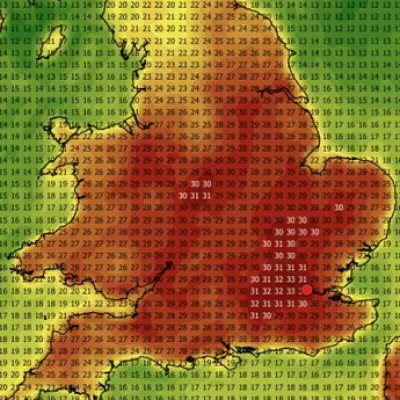
High pressure is expected to build across the nation starting Tuesday, initiating a steady rise in temperatures. Maximum readings are predicted to reach approximately 14C on Tuesday, increasing further to 16C by Wednesday, and peaking at a notable 18C on Thursday.
Regional Weather Patterns and Conditions
Met Office meteorologist Kathryn Chalk provided a comprehensive regional breakdown. "Tuesday will be fine and settled for most areas, with the best of the sunshine anticipated across Northern Ireland, northern England, and Scotland," she explained. "However, conditions will be more mixed to the south, featuring a combination of sunny spells and occasional drizzly showers, with temperatures peaking at around 14C in southern regions."

Wednesday is forecast to be a predominantly fine day across much of the country, with Wales and England enjoying the best of the sunshine. In contrast, Northern Ireland and south-west Scotland may experience cloudier skies with outbreaks of rain, though temperatures are still expected to climb to 16C.
The thermal peak is scheduled for Thursday, with Ms Chalk confirming a high of 18C specifically across the south-east of England. The sunshine will be most concentrated in this region, while western parts of the UK could encounter scattered outbreaks of rain in various areas.
Potential Record-Breaking Heat
This forecast follows last week's temperature of 18.7C recorded at Kew Gardens, which currently holds the title for the hottest day of the year. The Met Office has indicated a distinct possibility that Thursday's predicted 18C could surpass this recent record, depending on precise atmospheric conditions.
Looking ahead to Friday, meteorologists anticipate mostly dry weather with maximum temperatures settling back to around 14C, as the warm spell begins to gradually recede.
Historic Winter Rainfall Records Confirmed
In a striking contrast to the impending spring warmth, provisional figures released by the Met Office have revealed that this past winter was the wettest on record for several UK counties. Cornwall, Leicestershire, and the West Midlands all experienced their highest ever winter rainfall totals since comparable records began in 1836.
Additionally, Dorset and Warwickshire recorded their second wettest winter in history, while southern England as a whole endured its fourth wettest winter period.
Analysis of Winter Weather Patterns
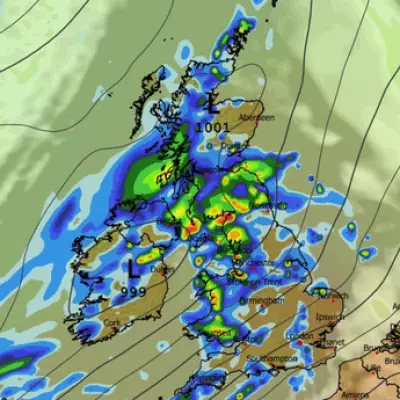
Over the past three months, a persistent sequence of low-pressure weather systems moved across the UK from the Atlantic Ocean, bringing repeated episodes of wet and windy conditions. This pattern was significantly influenced by three named storms in January – Goretti, Ingrid, and Chandra – each of which delivered intense downpours to numerous areas, resulting in widespread flooding and considerable travel disruption across the nation.
The rainy conditions largely persisted throughout much of February, although drier and sunnier weather finally arrived towards the very end of the month, providing a brief respite before the onset of spring.
This dramatic shift from an exceptionally wet winter to an unseasonably warm spring highlights the increasing variability and intensity of British weather patterns, as documented by the nation's leading meteorological authority.