UK Pollen Bomb Warning Sparks Hay Fever Crisis
Forecasters have issued an urgent 'pollen bomb' warning across the United Kingdom, with soaring levels triggering a nationwide surge in hay fever symptoms. The Met Office has recorded 'very high' pollen concentrations throughout all of England and Wales today, extending into significant parts of Scotland, prompting a week-long red alert that began yesterday and is projected to persist through the weekend.
Social Media Flooded with Sufferer Complaints
Hay fever sufferers have inundated social media platforms, particularly TikTok, with distressing accounts of allergic reactions. Individuals report severe symptoms including intensely itchy eyes, persistent runny noses, painful sore throats, and disruptive sneezing fits. One affected person lamented, 'I don't know what is going on but my eyes are swollen, my nose is so sniffly and every time I leave the house my eyes burn.' Another complained that allergies had altered their voice, stating, 'This is not even my real voice. What is this? Stupid hay fever.' Additional grievances include relentless sneezing 'every 10 minutes' and sleep deprivation, with one sufferer declaring, 'no sleep because hay fever is trying to murder me.'
Hay Fever Prevalence and Search Trends
Approximately 10 million people in England alone suffer from hay fever, with tree pollen identified as the culprit for roughly a quarter of all cases. Data reveals that Google searches for 'hay fever relief' have skyrocketed by an astonishing 534 percent in just the past week, underscoring the severity of the current outbreak. The Met Office explains that 'pollen is made up of tiny particles which are released by plants and trees as part of their reproductive cycle,' noting it is 'an extremely fine powder spread by insects and the wind' that can cause 'significant irritation and inflammation in people who are allergic to it.'

Expert Recommendations for Management
Allergy UK and healthcare professionals advise multiple strategies to mitigate exposure during high-pollen periods. Key recommendations include:
- Limiting outdoor activities, especially during peak pollen hours in the morning
- Keeping windows and doors securely closed at home
- Avoiding drying laundry outside where pollen can accumulate
- Considering wearing masks and sunglasses when venturing outdoors
- Showering, washing hair, and changing clothes after being outside
- Gently cleaning pets that have been outdoors, as pollen clings to fur
- Applying petroleum jelly around nostrils to trap pollen particles
Registered nurse Kelly Fisher, a clinical health educator at Benenden Health, emphasizes that 'hay fever season typically runs from March to September, with different pollens peaking throughout the year.' She notes that tree pollen peaks from March to mid-May, grass pollen from mid-May to July, and weed pollen from late June to September. Fisher warns that warmer winters, dry summers, and shifting weather patterns can trigger earlier and prolonged pollen release, exacerbating symptoms.
Weather Patterns and Pollen Forecast
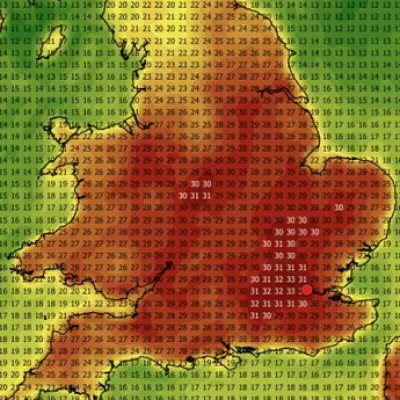
The pollen surge coincides with rising temperatures across the UK, marking a dramatic shift from the windy conditions brought by Storm Dave over the Easter weekend. Forecasters predict the warmest temperatures of the year so far could be recorded three times this week, with parts of the UK potentially reaching highs of 21°C to 22°C on Tuesday and climbing to 24°C in the South-East by Wednesday. However, a cooling trend is expected toward the weekend, with temperatures dropping to between 10°C and 13°C by Thursday as weather turns more changeable with rain and showers.
A Met Office spokesman clarified, 'As Storm Dave has now moved away, and this high pressure is building behind it, we're now dragging up warmer air from the continent. It's one of the seasons where it can change really quickly, day on day.' Pollen levels are generally anticipated to decrease as the week progresses, except in the East, South East of England, and London, where concentrations will remain very high.
Treatment Options and Symptom Overview
Effective treatments for hay fever include antihistamines, nasal sprays, and decongestants. Common symptoms encompass:

- Itchy, red, watering eyes and persistent sneezing
- Blocked or runny nose and itching in the throat, nose, and ears
- Headaches, pain around the temples, and fatigue
- Loss of smell and disrupted sleep patterns
- For asthma sufferers: tight chest, shortness of breath, coughing, and wheezing
Fisher adds that hay fever can develop at any age, with symptoms often worsening at night, particularly if windows are left open. The current 'pollen bomb' has even affected individuals who previously reported no history of hay fever, indicating the intensity of this seasonal outbreak.