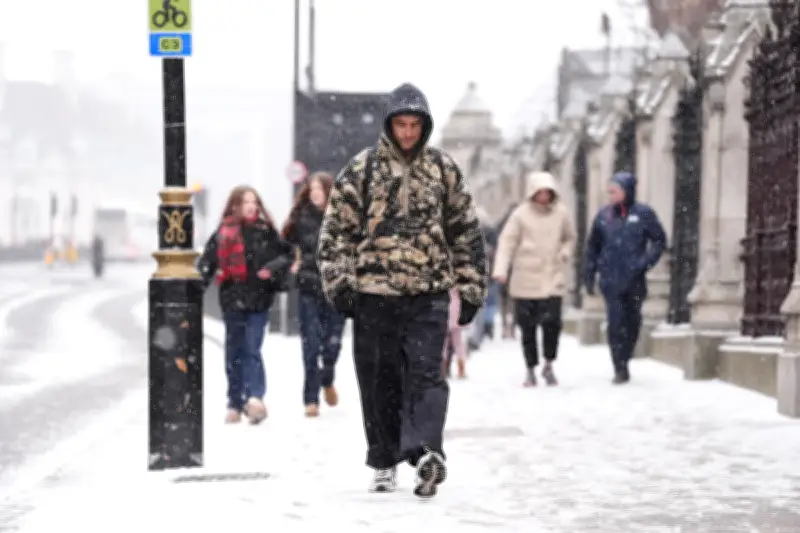
The Met Office has warned of an increased chance of “winter hazards” in its long-range forecast, which suggests southern Britain is set to face some of the worst weather.
The forecaster says there are indications that a “blocked weather pattern” will develop in the early part of December, increasing the chances of colder conditions overall.
Rain and colder conditions predicted
“Further rain is probable across southern and perhaps central areas,” it predicts in its forecast for the two weeks from November 28 to December 12.
“With a blocked weather pattern signalled to develop, this increases the chance of colder conditions overall, with associated winter hazards, e.g. snow and ice, occurring,” the Met Office adds.
The outlook for the rest of November is also looking distinctly changeable and unsettled. Southern areas of the country are most likely to experience the wettest weather as low pressure systems roll in from the Atlantic – with “strong winds” also possible.
Frost and temperatures in London
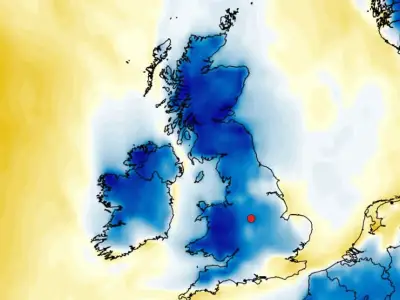
Parts of London woke up to the first frost of the season on Friday, with sub-zero temperatures bringing an icy sheen to car windscreens and pavements.
Temperatures are tipped to dip below zero again on Friday night with a daytime high of 9C expected on Saturday.
Polar vortex and sudden stratospheric warming
It comes as the polar vortex above the Arctic reversed direction in what scientists say is the earliest major “sudden stratospheric warming” (SSW) on record.
The normal westerly flow of the polar vortex keeps cold air locked above the North Pole. But a weakening of the polar vortex in recent weeks has seen the formation of an easterly wind pattern.
SSWs typically occur in winter and are linked with sharp cold spells over the UK – such as the infamous “Beast from the East” in late February and early March 2018.
The impact of a major SSW in autumn on Britain’s weather is unclear. It comes as meteorologists and governments around the world fear the impact of a record-breaking El Nino in the Pacific, which scientists say is likely to cause extreme weather such as floods, typhoons and droughts that risk the lives of millions around the planet.